How Many Days In Turin Is Enough?
Two days covers Turin's core: the Egizio, the Mole, the historic cafés and the royal palaces. Here is what each extra day adds, and when to spend it in the Langhe instead.
 By Chiara Barbero, Piedmont Bike Tour Guide and Langhe Cycling Specialist
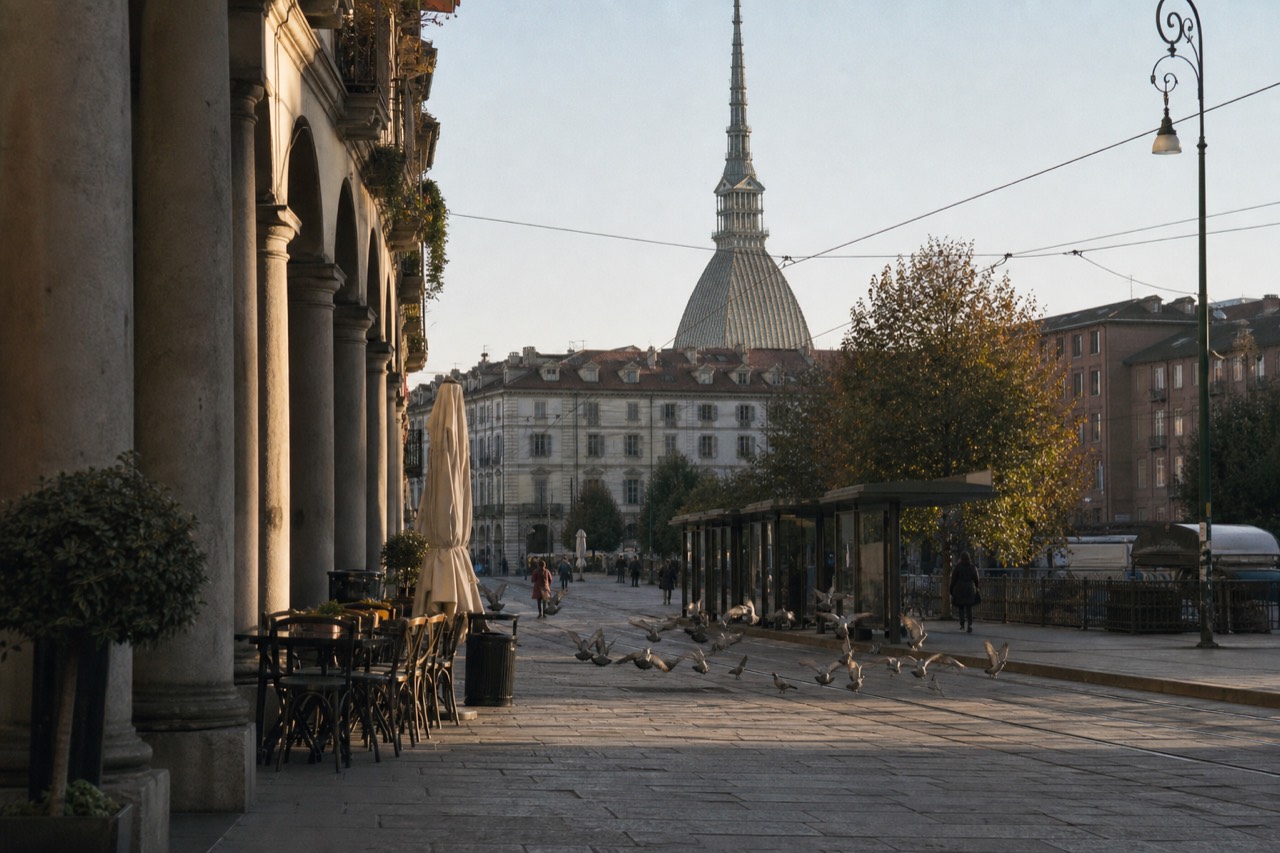
Turin is Italy's most underestimated big city, and that shapes the answer to the days question. The average visitor stayed 2.5 nights in Turin and its first belt in 2025, according to Visit Piemonte data, and that figure is closer to the right answer than the week-long itineraries some guides suggest. The city's core sights cluster tightly: the museums, the royal residences, the arcaded shopping streets and the river park all sit within an easy walk or a short ride of each other. What trips people up is not the sight count but the seasons, because Turin's calendar swings from a May book fair drawing 254,000 visitors to a winter light festival that runs for nearly three months.
How Many Days In Turin Is Enough?
Two days is enough for Turin for most travellers, and three is the honest maximum for the city itself. Day one covers the Museo Egizio, Piazza Castello and the historic centre; day two adds the Mole Antonelliana, a royal residence and the food quarter. A third day earns its keep only when a festival or exhibition overlaps your dates, and beyond that the smart move is to leave for the Langhe wine hills an hour south.
That 2.5-night average is worth dwelling on, because it comes from official regional tourism data rather than a tour operator's optimism. Visitors who stay two full days see the city's core without rushing. The people who regret their Turin trip are usually those who gave it a single afternoon between Milan and the lakes, and the people who run out of things to do are those who gave it five days in early August when half the family-run restaurants are shut for the holidays.
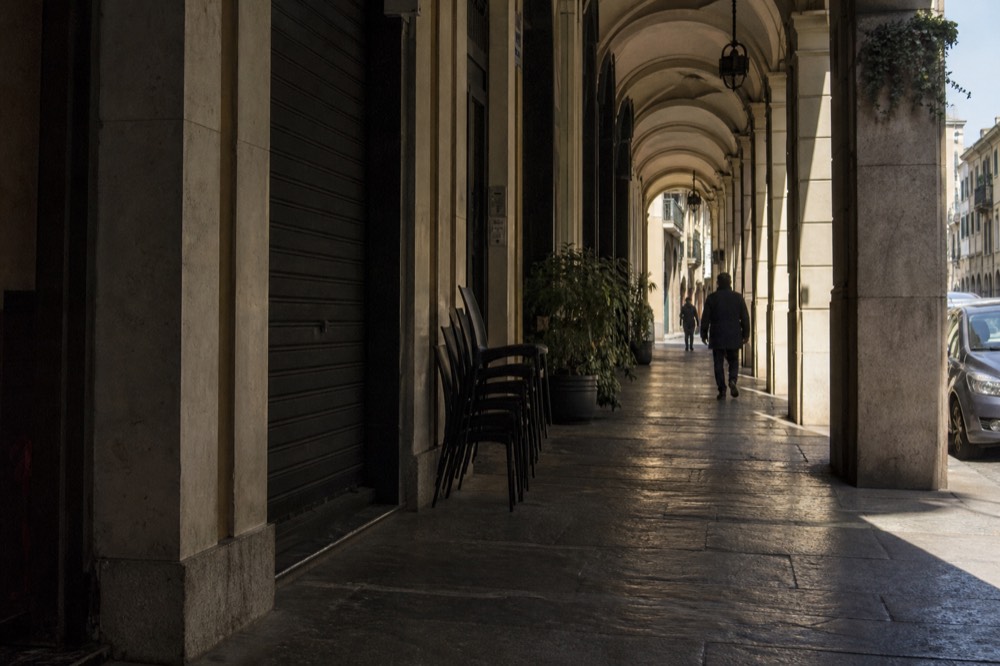
The geography helps. Turin is a baroque grid of arcaded streets laid out for a royal capital, so distances are short and the walking is flat. You do not lose hours in transit the way you can in Rome or Naples. A bike makes the city even more compressible, which is why a guided ride works well as a first-morning orientation.
If you are weighing Turin against other northern cities, our comparison of the best month to visit Turin matters as much as the day count, because heat and festival timing change what a day can hold.
What Can You Actually See In One Day In Turin?
One full day in Turin delivers the Museo Egizio, Piazza Castello with the Palazzo Reale, the Mole Antonelliana from the outside, an aperitivo under the arcades and a walk along the Po. What it cannot deliver is the cinema museum inside the Mole, a royal residence outside the centre, or a relaxed meal in the San Salvario or Vanchiglia quarters. Budget €18 for the Egizio and book ahead, because the museum now sells timed-entry tickets online only.
The single-day plan writes itself. Start at the Museo Egizio, the world's second-largest Egyptian collection, which needs two to three hours and a timed slot; full price is €18 with mandatory online purchase, per the museum's own pricing page. From there, Piazza Castello is a few minutes on foot, with the Palazzo Reale, the royal armoury and the Teatro Regio all facing the same square. Lunch under the arcades, then the walk up Via Po to the river and the Mole Antonelliana, the tower that defines the skyline.
One caution worth knowing before you plan: visits to the Mole's cupola interior were suspended through the summer of 2026 because of high temperatures, with the suspension running at least to 31 August. The cinema museum inside the building has stayed open through the period, so check the current cupola status before promising yourself the panoramic lift. The ground-level experience does not depend on it.
A bike tour compresses the day-one list further. The Turin City Highlights Guided Bike Tour runs about 3 hours, is rated 4.6 across 497 reviews and starts from $35 per person, which makes it one of the cheapest guided orientations in any major Italian city. Check availability
What Does A Second Day In Turin Add?
A second day adds the Mole Antonelliana's cinema museum, one royal residence such as the Palazzina di Caccia di Stupinigi or the Castello di Racconigi, the historic cafés and the food markets, and the city's best eating. It converts a rushed checklist into a trip that actually feels like Turin: slow mornings, an aperitivo culture that runs deep, and the quadrilateral of shops and cafés around Piazza San Carlo. Skip it only if your train leaves before noon.
The second morning belongs to either the cinema museum or a royal residence. The Savoy dynasty ringed Turin with palaces, and the Residenze Reali Sabaude are a collective UNESCO site; the closest ones sit on the city's western edge, while Stupinigi and Racconigi need a bus or a short taxi ride. The Abbonamento Musei network pass, which covers museums across Piedmont and Valle d'Aosta, still costs €58 for adults and €52 for seniors and is now issued as a QR code in an app, a worthwhile purchase once your second day is confirmed.
Food is the other second-day dividend. Turin invented the aperitivo culture that Milan later exported, and the city's bicerin, gianduja chocolate and vermouth heritage reward an unhurried afternoon. The Authentic Piemontese Feast Bike Tour threads the food angle into a 3-hour ride, from $58 per person, though with only 2 reviews so far it is a newer listing without a settled rating.
For the view rather than the feast, the e-bike option climbs to the city's best viewpoint in about 3 hours.
Getting around on day two costs almost nothing: a GTT City single ticket is €1.90 in the app or €2.00 on paper, and the metro's single line runs east-west through the centre. One infrastructure note for planners: the Metro Line 1 extension westward to Collegno and Rivoli is scheduled to open by the end of 2027, so accommodation slightly outside the centre gets easier, not harder, over the next couple of years.
When Is A Third Day In Turin Worth It?
A third day in Turin is worth it only when the calendar gives you something specific: the Salone Internazionale del Libro in May, the Luci d'Artista light festival from late October to early January, the Torino Film Festival in late November, or a temporary exhibition at the Mole. In a plain week with nothing on, three full days of city sightseeing starts to stretch thin, and the vineyards south of the city are the better use of day three.
Turin's event calendar is unusually top-heavy. The 38th Salone Internazionale del Libro drew 254,000 visitors to Lingotto Fiere over five days in May 2026, and the 39th edition is already scheduled for 13 to 17 May 2027. At the other end of the year, the 29th edition of Luci d'Artista illuminates the city from 22 October 2026 to 10 January 2027, with a new installation joining the circuit for winter 2026-2027. The 44th Torino Film Festival runs 24 November to 2 December 2026. These are not background events: they fill hotel rooms and change the feel of the streets.
That last point matters for anyone tempted to add days in high summer. A heat-stressed city shrinks your effective sightseeing hours to mornings and evenings, so a July itinerary holds less per day than an October one. Two July days can feel like one October day.
| Period | What is on | Effect on planning |
|---|---|---|
| Mid-May | Salone Internazionale del Libro (13-17 May 2027 edition) | Book hotels early; the city is at peak occupancy |
| July to mid-August | Heat peaks, Ferragosto closures | Fewer effective hours per day; some restaurants shut |
| Late Sept to early Oct | Salone Auto Torino, free entry in central squares | Busy centre, lively evenings |
| 22 Oct to 10 Jan | Luci d'Artista light festival | Dark-afternoon sightseeing becomes a feature |
| Late Nov to early Dec | Torino Film Festival (24 Nov to 2 Dec 2026) | Third day easily justified; peak hotel rates |
The exhibition calendar can do the same work. "Gillo Pontecorvo. Una battaglia dopo l'altra" opens at the Mole Antonelliana on 16 September 2026 and runs to 5 April 2027, the kind of show that justifies a museum-heavy third day for film lovers. Check what is on before you decide, not after.
Is Turin A Good Base For The Wine Hills?
Turin works well as a base for the Langhe with a car or a guided day tour: Alba is roughly 71 km and about 55 minutes away by road, around 90 minutes by direct train. The trade-off is real, though, because sleeping in Alba or Barolo puts you inside the vineyards at dawn and dusk. The strongest pattern is two nights in Turin, then two or three in the Langhe.
Turin's side of the trade is a big-city food and museum scene, which no wine village can match after the cellars close. The train is the underrated option. Direct Turin to Alba services run on the Torino-Bra-Alba line with no change of train, taking a little over an hour and a half, and a bike can travel with you on Trenitalia Regionale trains for a €3.50 supplement valid until 23:59 on the ticket date. That single fact is why this site exists: Piedmont Bike Tours was built around the idea that Turin and the Langhe are one trip, not two.
For autumn travellers there is a bonus option. Fondazione FS has announced historic train services from Milan to Alba on the Sundays of 11, 18 and 25 October 2026, and from Turin to Canelli on 1, 8, 15 and 22 November 2026, using vintage carriages aimed squarely at the truffle and wine season. A heritage carriage ride into the hills is a day trip in itself, and it lands you in the middle of the white truffle window, which runs from 1 October to 31 January by regional decree.
If you would rather ride than ride along, our day tours from Turin into the wine hills cover the guided options that leave from the city, and the question of whether Turin is good for cycling is answered separately for the city itself.
How Should You Split A Week Between Turin And The Langhe?
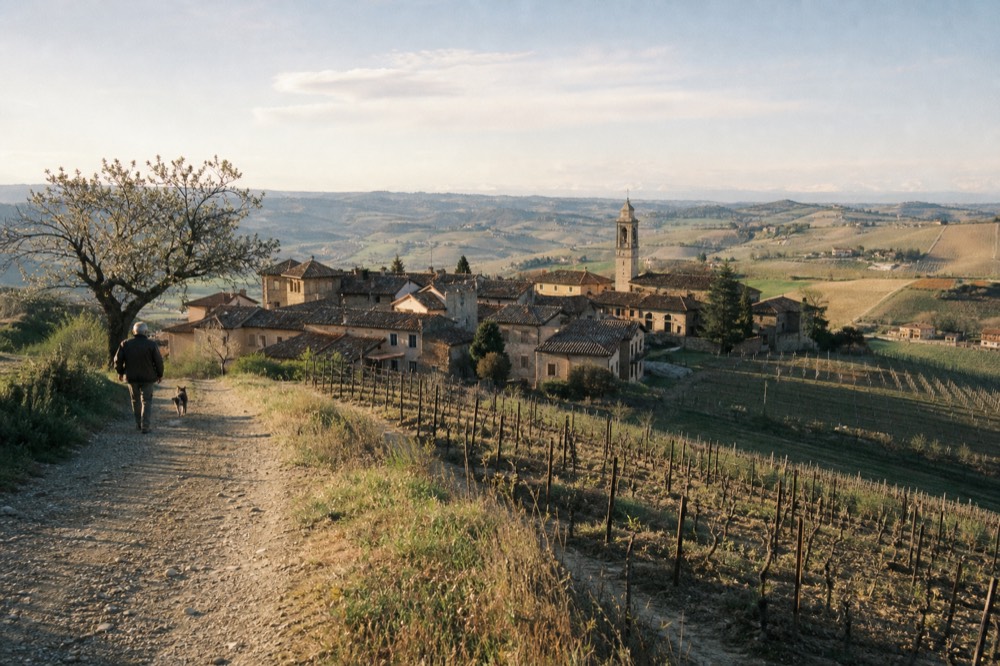
For a week in the region, the strongest split is two nights in Turin, then four or five in the Langhe and Roero. Turin's sights compress into two days; the wine hills do not, because each village loop, cellar visit and long lunch costs half a day, and the distances between Barolo, La Morra, Serralunga d'Alba and Neive add up on slow roads. Fly into Turin Caselle, sleep in the city, then move south.
The arithmetic behind that split is geographic. Every famous Barolo and Barbaresco village sits within about 20 km of Alba, but the roads between them are narrow, winding and busy with tractors in harvest season, so a day of wine-hill sightseeing covers less ground than the map suggests. Alba itself, with 30,985 residents against Barolo village's 613, is the practical hub: it has the train station, the bike rental shops and the restaurants open year-round. Reverse the order only if your flights force it, since the city-first sequence absorbs jet lag in museums rather than on wine roads.
Turin's own tourist tax is worth factoring into the budget conversation: from 1 April 2026 the city's imposta di soggiorno rose to €3 per night at 1-2 star hotels, €3.50 at 3-star, €4.50 at 4-star and €5 at 5-star, with short-let accommodation at €3.80. Those are modest numbers against hotel rates that peaked at €171.65 per night in November 2025, but they add up over a long stay, and they do not apply once you move to the wine villages.
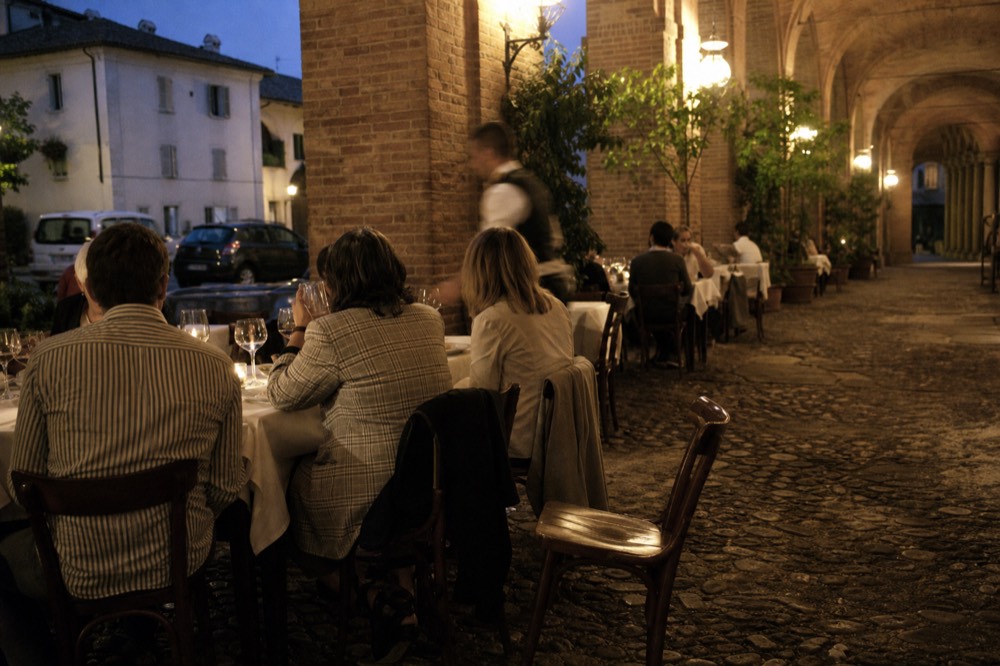
One pattern we would push back on: the single-base week in Turin with daily excursions. It can be done, and the direct trains make it easier than in most Italian regions, but you lose the Langhe's best hours, the early morning mist over the vineyards and the long dinners that only happen when your bed is in the hills. Move base once and the whole week improves.
The short version: two days are enough for Turin's core sights, a third earns its keep only in festival season, and anything beyond that belongs in the Langhe. The questions below repeat what travellers ask most often about pacing a Turin stay, with the transport costs, museum prices and seasonal traps that change the arithmetic from one month to the next.
Common Questions About Days In Turin
How many days in Turin is enough?
Two days is enough for most travellers, covering the Museo Egizio, Piazza Castello, the Mole Antonelliana and the food quarters. Add a third day only when a festival or exhibition overlaps your dates, and spend anything beyond that in the Langhe wine hills instead.
Is one day in Turin enough?
One day gives you the Egizio, Piazza Castello, the arcaded centre and a walk along the Po, but you will miss the cinema museum, the royal residences and the city's slower food culture. Treat one day as a taster, not a visit.
Is Turin worth visiting compared to Milan?
Turin is smaller, cheaper and calmer than Milan, with a comparable food scene and a stronger royal and museum heritage. Milan won the 2025 Il Sole 24 Ore quality-of-life ranking's business categories, but Turin climbed 23 places in the same year's environmental ranking, and the two cities suit different trips.
What is the best time of year to visit Turin?
May for the book fair and peak street life, late October through December for the Luci d'Artista light festival and the film festival, and September for warm, calm weather. July and August bring record heat and Ferragosto closures, which shrink what each day can hold.
Can you visit the Langhe from Turin on a day trip?
Yes. Alba is about 55 minutes by car and a little over 90 minutes by direct train, with a €3.50 bike supplement on regional trains. Guided day tours from Turin also run into the wine hills, though sleeping in Alba gives you the region's best hours.
How expensive is Turin for a short stay?
A GTT transport ticket is €1.90 in the app, the Museo Egizio is €18 and the tourist tax runs from €3 to €5 per night depending on hotel category. Hotel rates peak in November at an average of €171.65 per night, so festival season costs more than the quiet months.