What Is The Best Red Wine From Piedmont, Italy?
Barolo, Barbaresco, Barbera or Langhe Nebbiolo: an honest ranking of Piedmont's best red wines, with verified ageing rules, vineyard figures and where to taste each one.
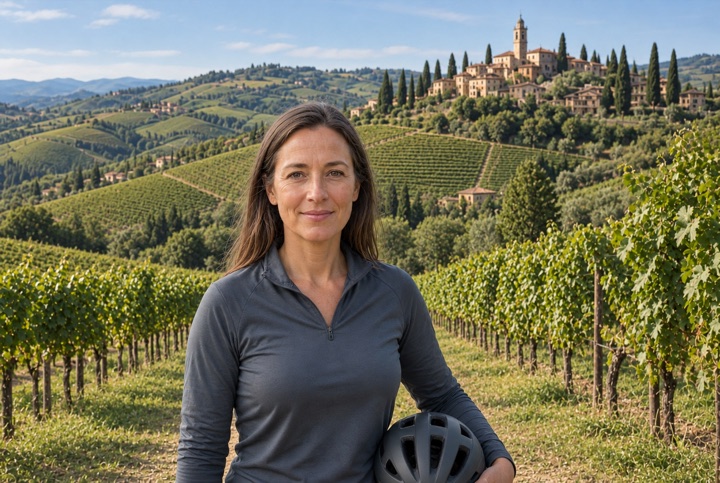 By Chiara Barbero, Piedmont Bike Tour Guide and Langhe Cycling Specialist
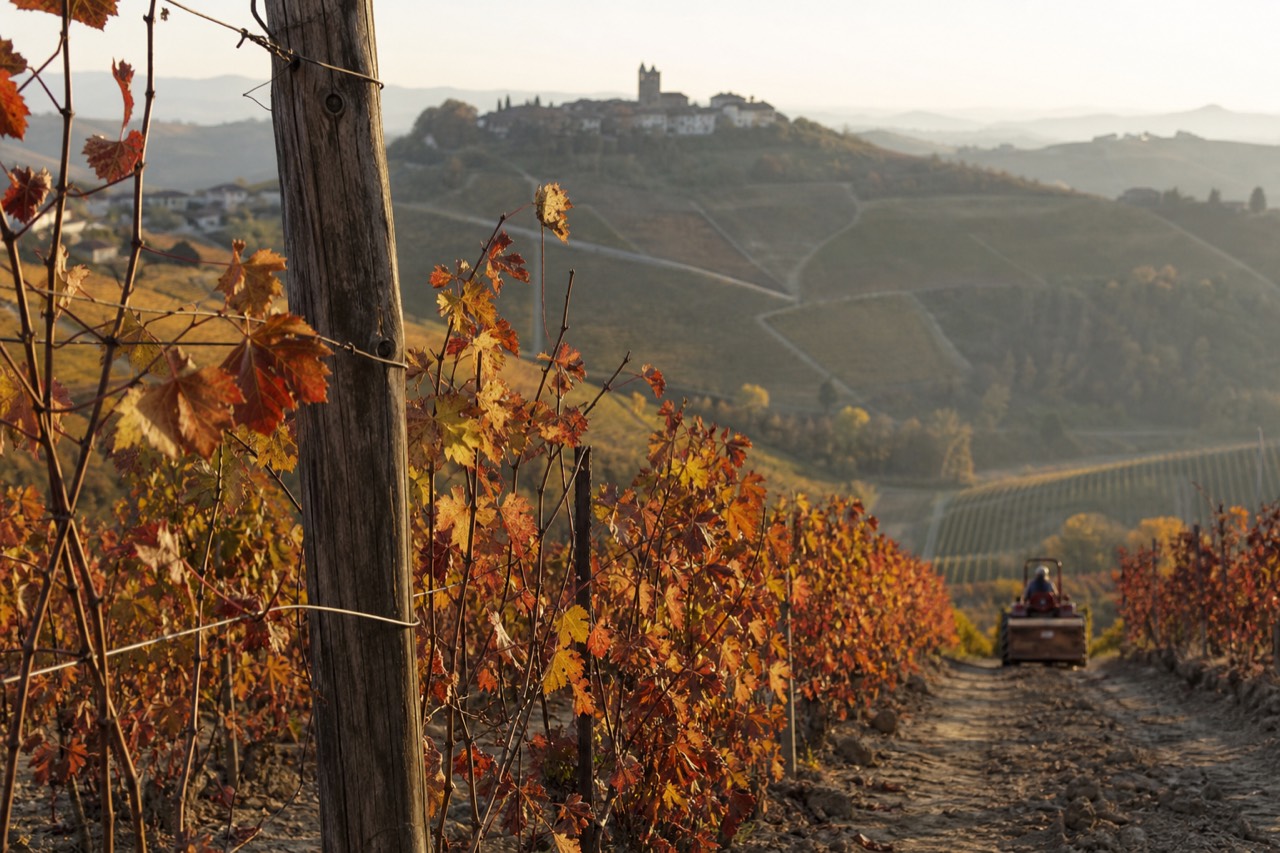
What Is The Best Red Wine From Piedmont, Italy?
The best red wine from Piedmont, Italy is Barolo DOCG, a 100% Nebbiolo wine from eleven communes around the village of Barolo, aged a minimum of 38 months, including at least 18 in wood. Barbaresco DOCG, the same grape aged 24 months, 9 in oak, runs it close, while Barbera d'Asti and Langhe Nebbiolo win on value and drinkability.
That is the short answer, and it is defensible. But "best" depends on what you want from a glass, and Piedmont is unusually generous with alternatives. The region holds 60 denominations of origin, 19 of them DOCG, the highest classification Italy awards, according to the regional rural observatory's own wine-sector note. No other Italian region concentrates this much pedigree into three provinces.
The reason is Nebbiolo. It is a thin-skinned, late-ripening grape that fizzes with tar, roses and dried cherry when grown on the marl and clay hills south of the Tanaro river. It only reaches full expression in a handful of places on earth, and the Langhe is the greatest of them. Around that king grape sit workhorses like Barbera and Dolcetto, which the locals drink daily and visitors too often ignore.
The geography helps the taster enormously. Every famous wine village in the region, Barolo, La Morra, Barbaresco, Neive, Serralunga d'Alba, Monforte d'Alba, sits within about 20 km of Alba, the market town at the centre of it all. You can breakfast in Alba, taste in three different denominations by lunch, and still be back for dinner. Few wine regions in the world compress this much variety into one easy loop.
If you are planning a trip to taste your way through this, riding between the villages beats driving. The three tours below cover the core Barolo hills on an e-bike, with tastings built in.
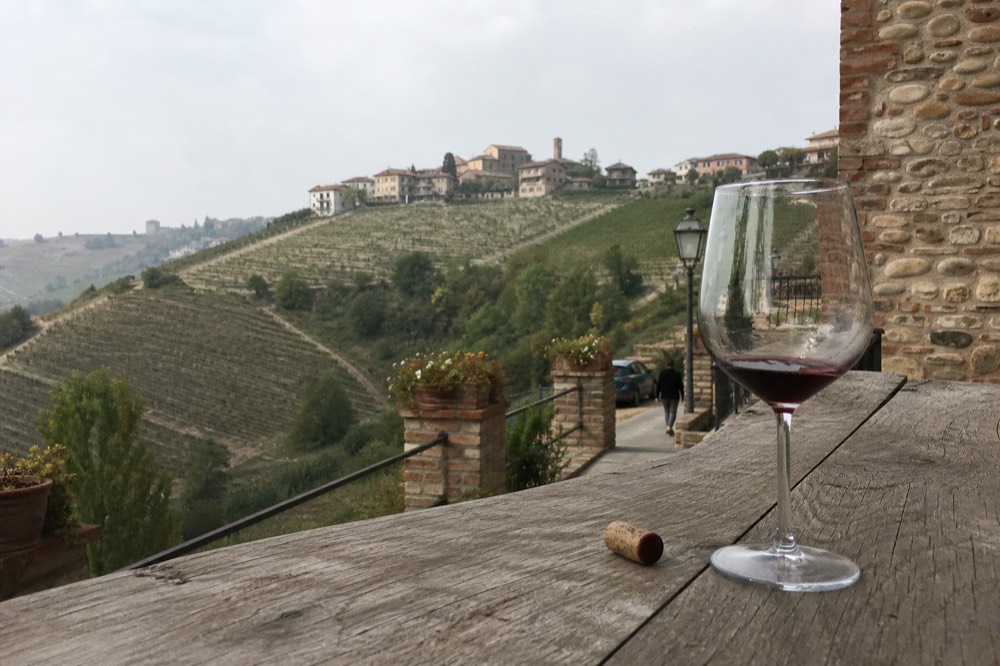
Why Barolo Still Tops Most Rankings
Barolo tops most rankings because its rules are the strictest in the region: 100% Nebbiolo, eleven production communes, and 38 months of minimum ageing including 18 in wood, counted from 1 November of the harvest year. Scarcity and cellar time do the rest, and critics reward both.
The production zone covers the entire territory of just three communes, Barolo, Castiglione Falletto and Serralunga d'Alba, plus parts of eight more, among them La Morra, Monforte d'Alba and Novello. The zone was fixed by ministerial decree in 1933, and the boundaries have barely moved since. Vineyard land inside it is some of the most contested farmland in Italy, and the Barolo DOCG zone covered 2,288 hectares in 2025, up more than 10% in a decade. Growth that slow, on land that finite, is scarcity by design.
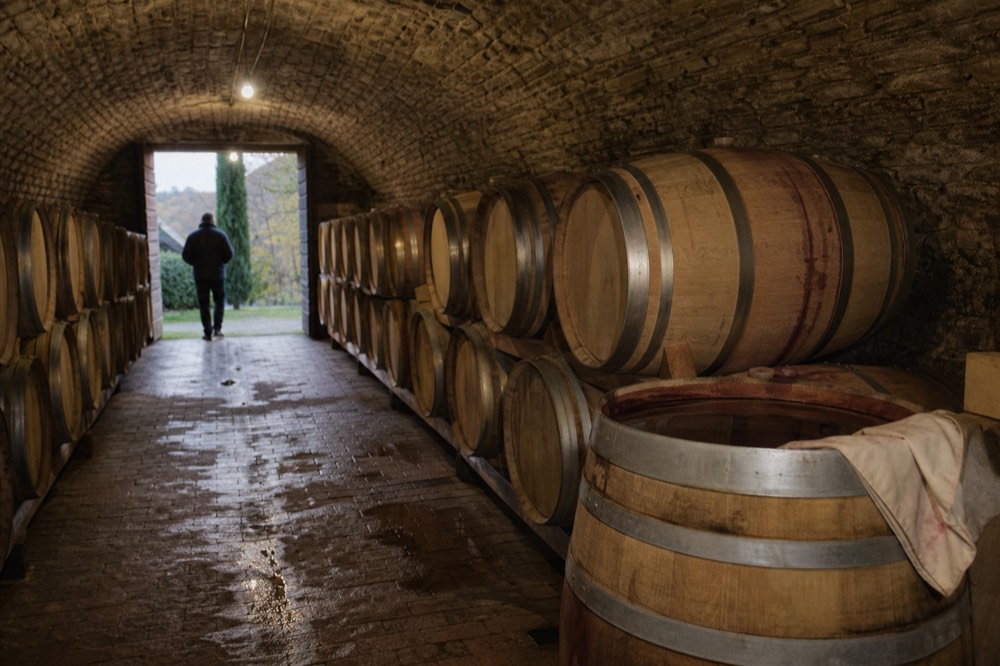
Ageing rules shape the wine more than anything. Barolo must spend thirty-eight months maturing, counted from 1 November of the harvest year, and at least eighteen of those in wood. The bottle you buy today therefore left its fermenter more than three years ago. Riserva bottlings must wait 62 months. That is capital tied up in barrels, and it is a large part of why Barolo costs what it costs, a question we unpack separately in why Barolo is so expensive.
The critical record backs the price. Trade reviewers at Grandi Langhe 2026 in Turin, where the 2022 Barolo and 2023 Barbaresco vintages were previewed, scored about a quarter of the 2022 Barolos on show at 95 points or higher. Gambero Rosso's Vini d'Italia 2026 guide awarded its top Tre Bicchieri rating to multiple 2021 Barolos, including Vietti's Barolo Brunate and Michele Chiarlo's Barolo Cerequio.
There is also a rule change worth watching. Proposals to change the Barolo and Barbaresco production specifications, among them a requirement that bottling take place inside the production zone, were published in the official gazette on 30 December 2025 and opened to objection. It is a proposal, not yet law, but it signals how tightly the Consorzio guards the name.
For tasting Barolo in its home villages, the Langhe Slow e-bike tour is hard to beat on geography: it links Serralunga d'Alba and Barolo, both entirely inside the DOCG zone and both UNESCO World Heritage sites, over roughly 5.5 hours with tastings along the way.
The tour works as a wine lesson precisely because the two villages it links make recognisably different wines. Serralunga's Nebbiolo tends toward structure and longevity; Barolo village and neighbouring La Morra give the softer, more perfumed style. Riding from one to the other, glass in hand at each end, teaches you more about the denomination than any shelf in a wine shop can.
Why Barbaresco Is The Insider's Answer
Barbaresco is the insider's answer because it is the same 100% Nebbiolo grown just across the hill, aged 24 months with only nine required in oak, which yields a softer, more perfumed wine that is ready years sooner and usually costs a third less than Barolo.
The zone is smaller and tighter: the entire territory of Barbaresco, Treiso and Neive, plus part of the comune of Alba. It became a DOC in 1966 and was among the first four wines elevated to DOCG status in 1980. The ageing asymmetry with Barolo, 24 months against 38, and nine in wood against eighteen, is not a quality shortcut. It reflects genuinely different soils and a tradition of earlier-drinking wine.
Same grape, same hills, roughly a year and a half apart in the cellar. That single sentence is the fairest summary of the two wines, and it is why the comparison deserves its own page: see our full Barolo versus Barbaresco comparison for how the rides and the tastings differ too.
The market has started catching on. Roagna's Crichet Pajé Barbaresco carries an average retail price of $1,308 per bottle on the wine-search databases, proof that top-cru Barbaresco now commands Barolo money at the very top end. But one ridge below the trophy tier, standard bottlings from good producers remain genuinely good value, and that gap is closing every year as word spreads.
The insider's case, in plain terms: if you enjoy Nebbiolo's perfume more than its power, Barbaresco gives you more of what you like, sooner, for less. Many producers in the zone also make both wines, so a single cellar visit lets you taste the argument from both sides.
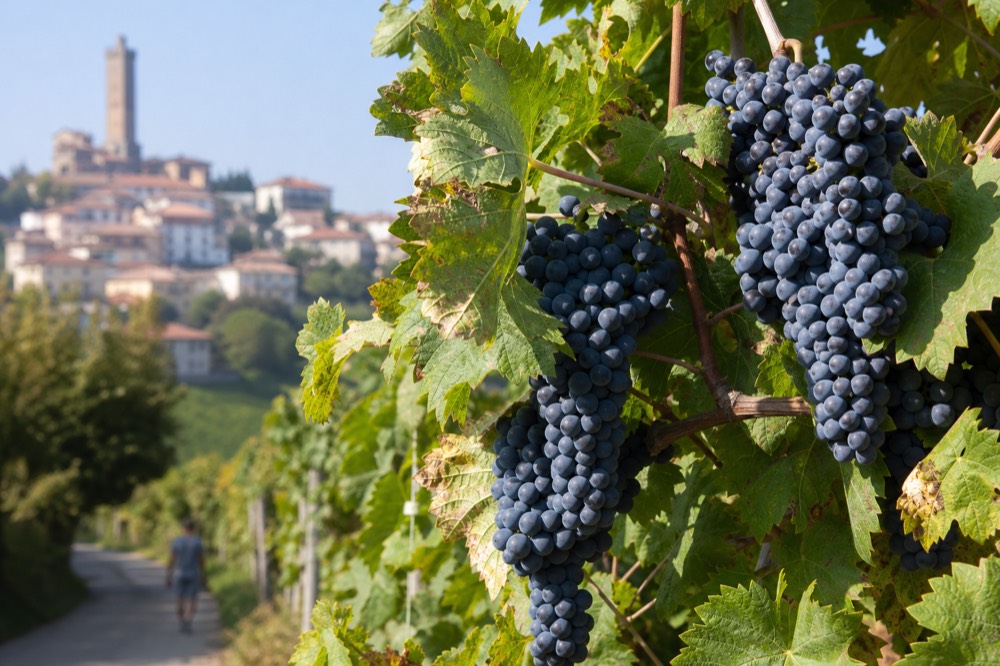
The Best Value Reds: Barbera And Langhe Nebbiolo
For value, Barbera d'Asti and Langhe Nebbiolo are the best reds in Piedmont: both deliver real Langhe character between roughly $15 and $30 a bottle retail, and both are what the people who live here actually drink on a Tuesday.
Barbera is the region's acid king. It ripens early, keeps piercing freshness even in hot years, and takes oak beautifully at the top end. Barbera d'Asti DOCG covered 4,883 hectares in 2025, making it one of the largest denominations in the region, though it has contracted by almost 11% over the past decade as growers replant toward more lucrative names. Less planting, paradoxically, has coincided with rising average quality, as the best sites stay and the marginal ones go.
Langhe Nebbiolo is the other quiet star. It is Nebbiolo from the same hills as Barolo, often from younger vines or sites just outside the DOCG boundaries, released young and priced accordingly. The denomination has exploded: Langhe DOC vineyard area more than doubled between 2015 and 2025, the fastest growth of any large appellation in Piedmont, and much of that new planting is Nebbiolo destined for early release. For a drinker, this is the best news in the region, because it means genuine hillside Nebbiolo at table-wine prices.
There is a market angle worth knowing too. In June 2026 the Consorzio that protects Barolo and Barbaresco voted to cut maximum yields for Langhe Nebbiolo and Barbera d'Alba by 10% for the 2026 harvest, to 90 quintals per hectare. The vote passed 291 to 19. Fewer grapes, the growers hope, means better concentration in the glass, and it signals how seriously these "second" wines are now taken.
| Wine | Grape | Minimum ageing | Zone | 2025 vineyard area |
|---|---|---|---|---|
| Barolo DOCG | 100% Nebbiolo | 38 months (18 in wood) | 11 comuni, Cuneo province | 2,288 ha |
| Barbaresco DOCG | 100% Nebbiolo | 24 months (9 in oak) | Barbaresco, Treiso, Neive, part of Alba | not published |
| Barbera d'Asti DOCG | Barbera | varies by type | Asti province | 4,883 ha |
| Langhe DOC (Nebbiolo) | Nebbiolo (among others) | none beyond standard DOC rules | Langhe, broad | fastest-growing in region |
| Roero DOCG | 95-100% Nebbiolo | 20 months | Roero, north of the Tanaro | 1,409 ha |
A note on that table: the Barolo and Barbaresco rules come straight from the Consorzio's own production specifications, published at langhevini.it, and the vineyard areas from the IRES Piemonte regional wine-sector note of March 2026. The Barbaresco hectare figure is deliberately left blank because no verified primary exists for it.
Roero Nebbiolo And The Dark Horses
Roero DOCG is the dark horse: Nebbiolo grown on the sandy, erosion-cut hills north of the Tanaro, aged 20 months minimum, producing a silkier, more aromatic style that critics increasingly rate alongside Barbaresco, at prices that have not yet caught up.
Roero's vineyard area grew by more than a third between 2015 and 2025, reaching 1,409 hectares, the strongest expansion of any DOCG in the region. The sandy soils of the Rocche, the dramatic erosion cliffs that define the area, give Nebbiolo a different perfume: less tar, more violet and herb. The wine rarely has Barolo's tannic grip, which is exactly why some drinkers prefer it.
Below the headline names sit two more reds worth seeking out. Dolcetto, the early-ripening everyday wine of the Langhe, is soft, dark and faintly bitter, and it is vanishing from restaurant lists as producers chase Nebbiolo money, which makes finding a good one feel like a small victory. And across the whole region, the 2025 vintage produced wines rated eight to nine stars on the Consorzio's own quality scale, with production 7 to 10% below the previous year, so recent releases are worth cellaring.
If you want to taste the difference between the sandy Roero side and the marly Langhe side in a single day, a guided ride that crosses the Tanaro is the most efficient way to do it. Our guide to cycling Monferrato and Roero covers the quieter half of the region in detail.
How To Taste Your Way To Your Own Answer
The honest way to answer this question is to taste the four main styles side by side in the hills that made them: Barolo and Barbaresco for structure, Barbera and Langhe Nebbiolo for pleasure, ideally across two or three cellar visits in a single trip.
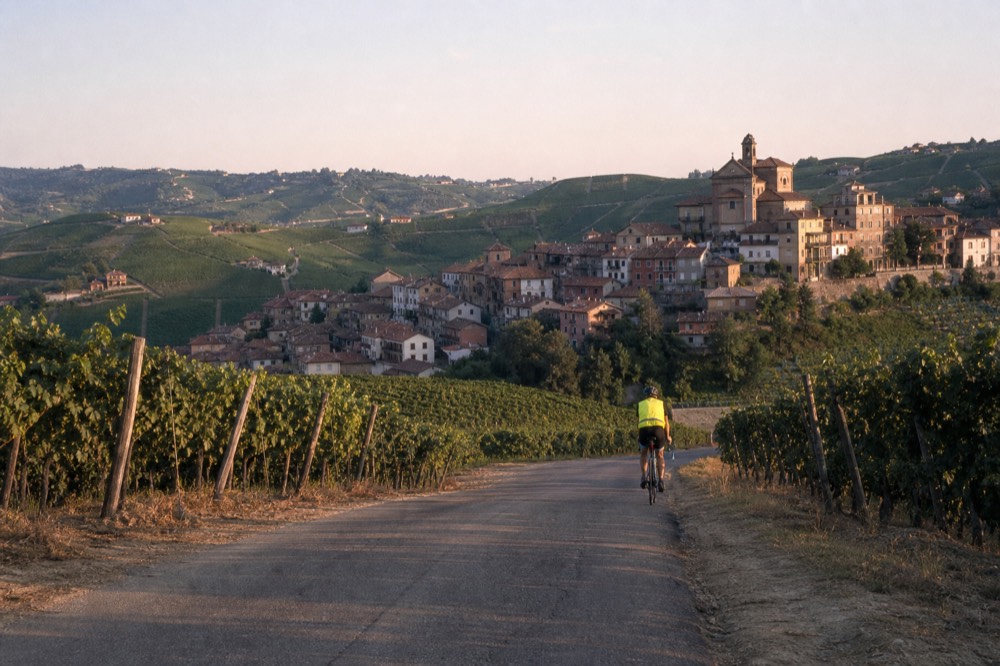
Start in Alba, the market town at the centre of everything. Every famous wine village, Barolo, La Morra, Barbaresco, Neive, Serralunga d'Alba, sits within about 20 km of it, which makes the town the natural base. From there, a loop through the Barolo villages runs roughly 68 km with about 877 m of climbing on an e-bike, a full but very doable day with stops. The shorter Barbaresco loop from Alba, through Barbaresco, Neive and Treiso, is roughly 36 km with about 457 m of climbing, a gentler half-day that suits a first visit.
Tasting fees at Langhe cellars listed in the Alba area generally run from $25 to $50 per person depending on the number of pours and whether a cellar tour is included, so check what the fee covers before you book. A guided tour with tastings arranged for you removes the scheduling friction, and the two options below are the most popular formats in the Barolo hills.
Timing matters as much as route. September is the standout month: the average high at Alba is around 23.6 °C, the harvest is underway, and the vines are still green. October brings the white truffle season and the start of the autumn colour, but also bigger crowds in the villages. Our best time to visit Piedmont guide breaks the whole year down.
One practical note for anyone touring by bike: the Langhe is almost entirely open country, and Italian law requires a reflective vest when riding outside built-up areas between half an hour after sunset and half an hour before sunrise, and in tunnels at any hour. Plan tastings so the ride home happens in daylight, or carry a vest. A bell is also legally required equipment on any bike in Italy, a detail most visiting cyclists miss.
The best red wine from Piedmont depends on what you value: Barolo for structure and ageing, Barbaresco for perfume and value, Barbera and Langhe Nebbiolo for everyday drinking, and Roero for the style most people have not tried yet. The questions below cover the comparisons readers ask most often.
Common Questions About The Best Red Wine From Piedmont
What is the best red wine from Piedmont, Italy?
Barolo DOCG is the most widely agreed answer: 100% Nebbiolo from eleven communes, aged at least 38 months with 18 in wood. Barbaresco DOCG is a very close second and better value, while Barbera d'Asti and Langhe Nebbiolo are the best choices for everyday drinking.
Is Barbaresco better than Barolo?
Neither is objectively better. Barolo is more structured and ages longer; Barbaresco, aged 24 months against Barolo's 38, is more perfumed and approachable sooner. The best answer is to taste both in their home villages and decide which style suits you.
What is the difference between Barolo and Langhe Nebbiolo?
Both are 100% Nebbiolo from the Langhe. Barolo must come from the eleven-commune DOCG zone and age 38 months. Langhe Nebbiolo has a much broader zone, no long-ageing requirement, and is meant to be drunk young, usually at half the price or less.
What is the best-value red wine from Piedmont?
Barbera d'Asti and Langhe Nebbiolo. Both deliver genuine regional character at everyday prices, and both are what locals drink most often. Roero DOCG is the best value at the quality end, since its prices have not yet caught up with its critical standing.
Which Piedmont red should I serve with dinner?
Barbera's high acidity makes it the most food-friendly red in the region, especially with tomato-based dishes. Barolo and Barbaresco want richer fare, truffle dishes, braised meat, aged cheese, and benefit from being decanted an hour before serving.
Where can I taste these wines in Piedmont?
Alba is the natural base, with every major wine village within about 20 km. Cellar tastings in the Alba area are generally listed from $25 to $50 per person. A guided e-bike tour between the villages, with tastings arranged, is the most efficient way to cover several producers in a day.
The final word belongs to the glass, not the ranking. Piedmont Bike Tours exists because the best way to understand these wines is to ride the hills they come from, and the three tours below each put a different slice of the Barolo zone under your wheels.