E-Bike Tours In Italy: Why The Langhe Suits Pedal Assist
Pedal assist is the single biggest reason an ordinary traveller can ride the Langhe hills at all. Here is the height-gained maths, the Italian law and the tour formats, explained without the sales pitch.
 By Chiara Barbero, Piedmont Bike Tour Guide and Langhe Cycling Specialist
Short answer
A standard pedelec in Italy assists to 25 km/h with a 250 W motor, needs no licence, plate or insurance, and there is no helmet law at any age. The Langhe's famous village loops involve roughly 457 to 877 m of climbing, which is exactly the range where pedal assist turns a hard day into a manageable one. E-bike rentals start at $52 per person, with guided tours from $93 to $186.
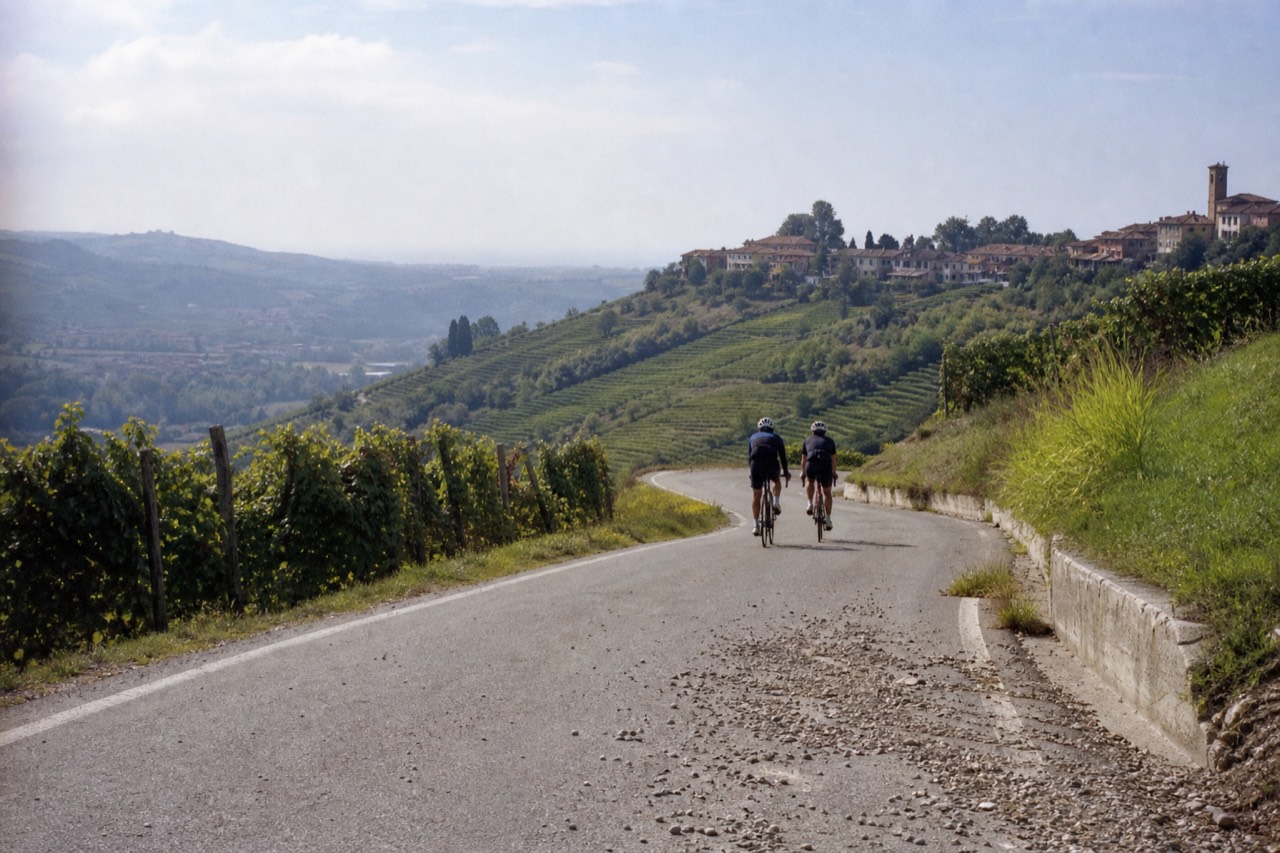
The Langhe looks gentle in photographs and rides nothing like it in person. The postcard hills between Alba, Barolo and Barbaresco rise from a valley floor at about 139 m to village centres sitting at 262 to 508 m, and the Alta Langa behind them climbs to 896 m at Mombarcaro. A rider on a flat-bar bike without assistance faces roughly 877 m of climbing on the classic 67.9 km loop around the Barolo villages. That is the honest reason Piedmont Bike Tours exists, and the honest reason the e-bike is the region's default touring machine rather than a consolation prize.
This guide lays out the numbers first, then the law, then the money. It draws on computed route profiles, the Italian Codice della Strada read in full, and the live tour listings for the Langhe area. Nothing here is a first-hand tasting note; it is research and reporting.
How Much Climbing Do Langhe E-Bike Routes Actually Involve?
The three rides that matter involve about 457 m of climbing on the 35.6 km Barbaresco loop, about 877 m on the 67.9 km Barolo villages loop, and about 1,040 m on the 41.4 km one-way run from Alba up to Mombarcaro, with the flat Tanaro valley option to Asti registering almost no ascent at all across 31 km. These figures come from routing real roads over the OpenStreetMap network and sampling elevation from the Copernicus digital terrain model, so they are honest derived numbers rather than an operator's route card, and they should be read as approximations.
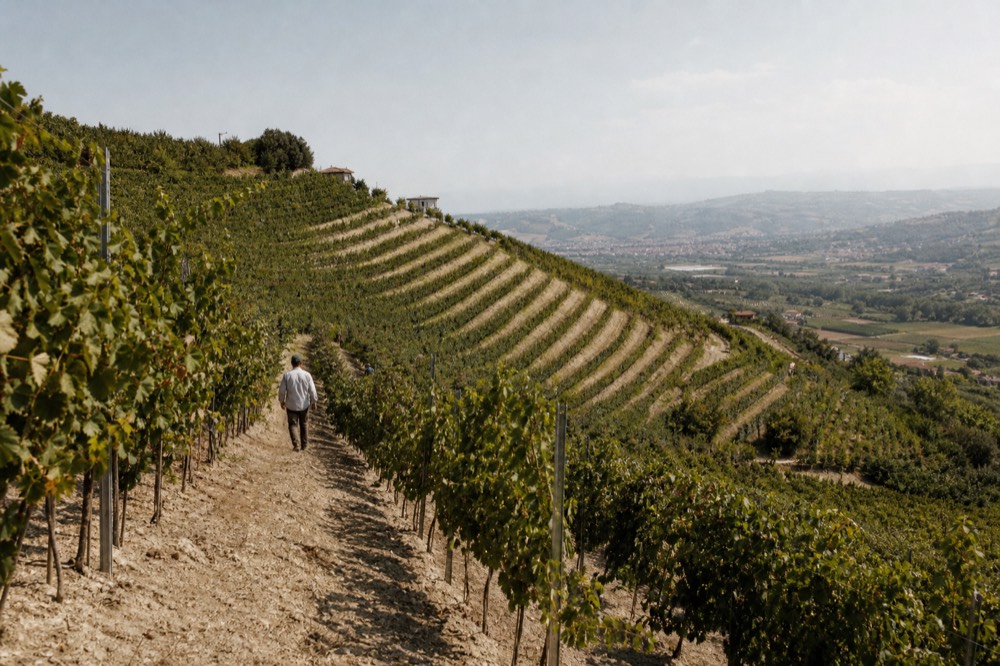
The pattern behind the numbers matters more than the numbers themselves. Every famous wine village sits within about 20 km of Alba, but none of them sits on flat ground. La Morra's centre stands at 508 m above a valley floor that bottoms out near 139 m, so a rider heading there from Alba gains roughly 329 m over 15.8 km. Barolo village sits at 303 m, Serralunga d'Alba at 390 m, Monforte d'Alba at 472 m. The roads between them roll constantly, and a day of that rolling is what wears an unassisted rider down, not any single wall of a climb.
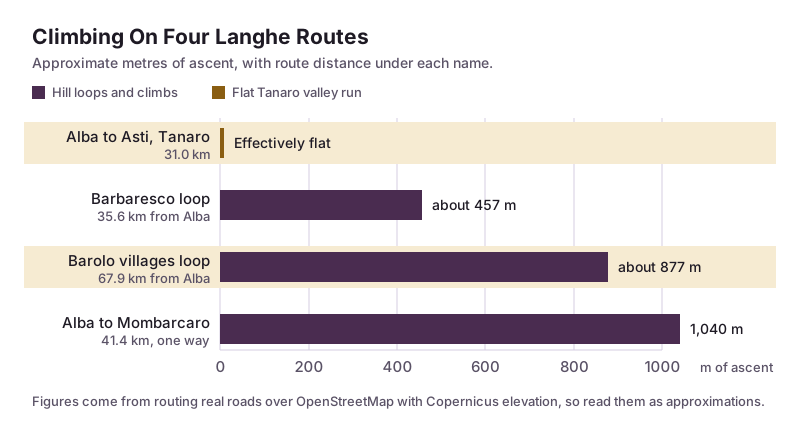
No verified gradient exists for any named climb in the Langhe, which is why this site talks about height gained rather than percentages. What is verifiable is the vertical interval between the valley and each village, and that interval is the whole story for a visitor deciding between a pedal bike and a pedelec.
| Route | Distance | Approx. ascent | Low to high point |
|---|---|---|---|
| Barbaresco loop from Alba (Barbaresco, Neive, Treiso) | 35.6 km | about 457 m | 149 m to 410 m |
| Barolo villages loop from Alba | 67.9 km | about 877 m | 167 m to 521 m |
| Alba to Momcaro, one way (Alta Langa) | 41.4 km | about 1,040 m | 174 m to 858 m |
| Alba to Asti along the Tanaro | 31.0 km | effectively flat | 116 m to 174 m |
The fourth row is the sleeper. A rider can link Alba and Asti along the river with almost no climbing at all, which makes the valley corridor the natural recovery day between two hill days. For more on how the region divides up, see the Piedmont cycling routes and surfaces guide.
What Does Italian Law Say About E-Bikes?
A compliant pedelec in Italy is legally a bicycle: the motor may be rated at up to 250 W continuous, assistance must cut out at 25 km/h and stop when you stop pedalling, and no licence, plate, insurance or helmet is required at any age, though a reflective vest is mandatory outside built-up areas after dark and in tunnels, and a bell is required equipment. That is a compressed version of Article 50 of the Codice della Strada, whose text on pedal-assisted bicycles is published by the ACI at aci.gov.it.
The details catch visitors out. The walk-assist button that creeps the bike along at up to 6 km/h without pedalling is legal; a general throttle that drives the bike faster than that is not, and a pedelec that breaks any of the 250 W or 25 km/h conditions is reclassified as a moped, bringing registration, plate, insurance and helmet duties with it. A speed pedelec capped at 45 km/h is simply not a bicycle in Italian law.
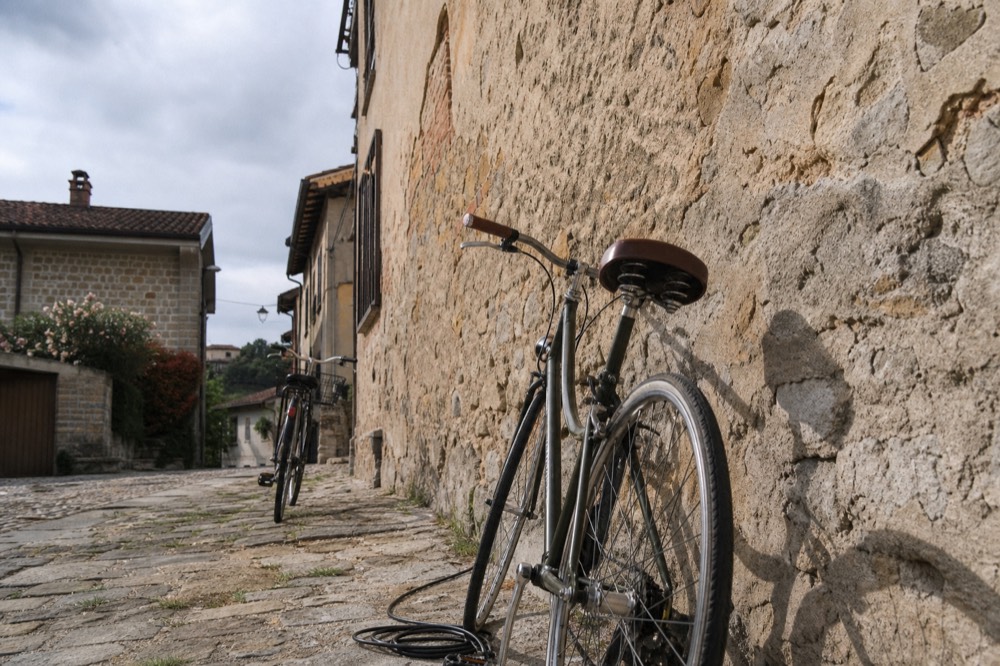
The vest rule is the one that actually bites on a Langhe holiday. The region is almost entirely outside built-up areas, and the rule applies from half an hour after sunset to half an hour before sunrise, plus in tunnels at any hour. An October or November ride that finishes near dusk crosses the threshold easily. The bell is the other quiet surprise: it is legally required equipment under Article 68, and most visiting road cyclists do not have one.
Helmets are worth a plain sentence. Italy has no helmet law for cyclists of any age, full stop. This site recommends wearing one on the Langhe's narrow, sometimes busy farm roads on its own merits, but a tour operator asking you to sign a helmet acknowledgement is following company policy, not Italian law. The full rule set, including the 1.5 m minimum passing distance drivers must give where road conditions permit, is covered in the cycling in Piedmont guide.
Which E-Bike Tours In The Langhe Are Worth Booking?
The three formats that dominate the Langhe listings are a private guided e-bike tour of the Langhe del Barbaresco from $118 per person for six to seven hours, a self-guided e-bike rental with food and wine experiences around Barbaresco from $52 per person for a full day, and a guided Alba cellar tour by e-bike from $186 per person for around six hours. Each suits a different traveller, and the price gap between them is mostly the gap between a guide's day and a bike's day.
The private Barbaresco tour is the strongest all-round pick for a first visit. It runs on asphalt only, which matters on these roads, it is rated 5 across 14 reviews from past riders, and the six to seven hour window is long enough to link Barbaresco, Neive and the hills above Treiso with a proper lunch stop. The rental-plus-experiences format suits confident riders who want to design their own day and pay cellar visits as they go, and the Alba cellar tour suits travellers whose priority is the underground tasting rather than the kilometres.
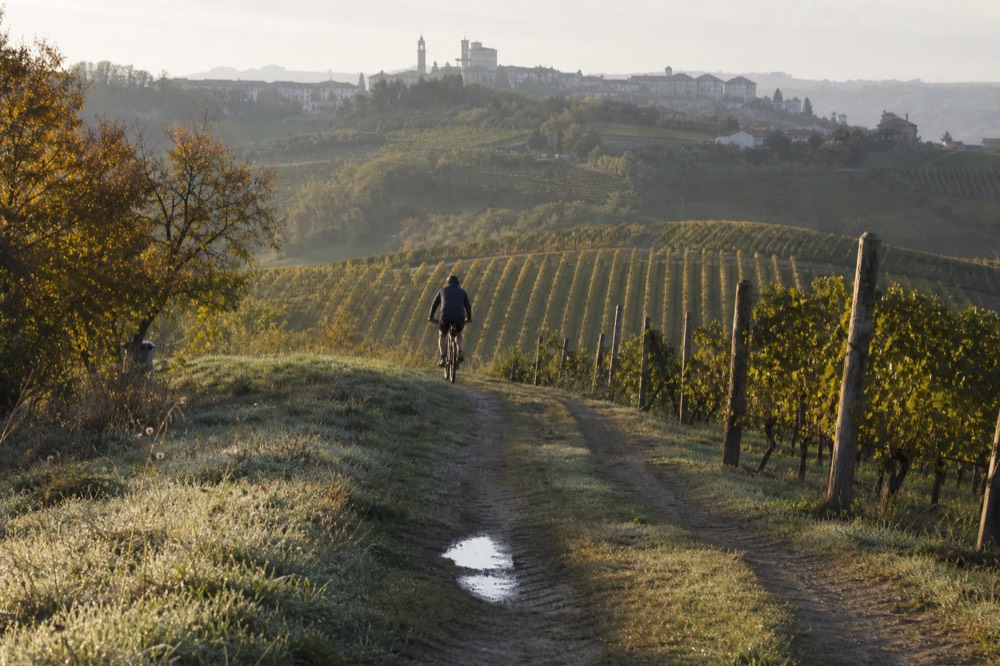
There are cheaper and more specialised options on the same hills. A scenic guided e-bike tour out of Barolo with wine tasting runs from $186 for about five hours, and a picnic-format Barolo vineyards tour runs from $93 for about six hours. Over in the Monferrato, a Cisterna d'Asti hills tour lists from $46 for four hours. The full spread of formats and inclusions is broken down in the wine tours in Piedmont costs guide.
How Far Can An E-Bike Actually Go On A Langhe Day?
A tour e-bike on these hills is realistically a 40 to 70 km machine on one charge, and the honest way to plan is by height gained rather than distance: every 100 m of ascent costs noticeably more battery than several flat kilometres, so the 877 m Barolo loop drains a battery in a way the 31 km flat Tanaro run to Asti never will. No verified watt-hour-per-climb figure exists for the Langhe, and any tour listing promising a fixed range is selling, not measuring.
The practical rules that follow from this are simple. Plan the big loop for the day the battery is freshest, keep the high-assist mode for the climbs rather than the flats, and treat the Alta Langa, the 1,040 m run to Mombarcaro, as a ride that needs either a mid-day top-up or a modest distance target. Rental operators in Alba and the Barolo zone exist and their websites are live, but a shop's stated range depends on rider weight, wind and how much assist each guest actually uses, so treat any range promise as a best case.
Charging infrastructure is arriving in the wider region, unevenly. Along the Bormida cycle path in the Alta Langa and Monferrato, e-bike charging points, repair kits and QR-coded maps were installed by August 2026 at functioning service stations in Cortemilia, Monastero Bormida and Spigno Monferrato. That is a genuine improvement for riders linking the Langhe toward the sea, but it does not change the planning rule above: in the core Barolo and Barbaresco hills, assume the battery you start with is the battery you finish on.
Guided, Private Or Rental: Which E-Bike Format Fits You?
A guided group tour fits a first-time visitor who wants the routes, the traffic sense and the cellar door handled for them; a private tour fits riders who want pace and stops on their own clock; and a rental with food-and-wine experiences fits confident riders who mainly need the bike and a map, at roughly half the guided price. The Langhe's road network is signposted but not trivial, and the value of a guide here is local knowledge of which roads carry tractor and harvester traffic, not navigation alone.
The rental format deserves more respect than it usually gets. The Barbaresco rental with food and wine experiences lists from $52 per person for a full day, against $118 for the private guided tour, and the gap buys the guide, the group and the curated stops. What it does not buy is fitness: an e-bike rental still hands the climbing to you, at 457 m on the Barbaresco loop, so the format suits riders comfortable with 35 to 50 km of rolling road even with assist.
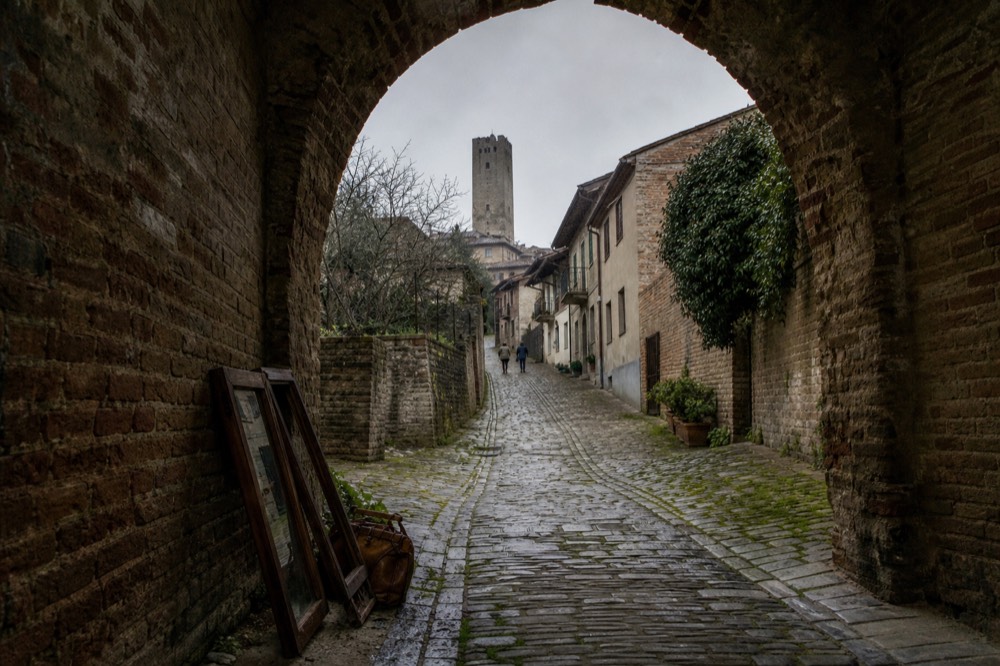
The cellar-focused format is the third animal. The Alba e-bike tour with a cellar wine tasting lists from $186 per person for around six hours, and its centre of gravity is the underground tasting rather than the distance covered. Travellers whose real interest is Barolo and Barbaresco in the glass, with the ride as the frame, consistently report this format suits them better than a distance-led loop. For riders weighing guided against fully independent, the self-guided bike tours in Italy guide works through the decision in detail.
When Is The Best Time Of Year For An E-Bike Tour Here?
May, June and September are the standout months, with September the best of the three: the average high at Alba is 23.6 °C, well off July's 29.2 °C, and it coincides with the Nebbiolo harvest coming off the hills from late September. July and August are the hardest months for heat rather than rain, and November is the wettest month of the year at about 115 mm against July's 37 mm.
These are 30-year averages computed from the ERA5 reanalysis at Alba's coordinates, not an Italian weather station's published normals, so treat them as typical conditions rather than official meteorological data. The shape is reliable even where the decimals are not: wettest November, driest July, and a September that sits in the sweet spot between summer heat and autumn rain.
| Month | Typical avg high | Typical avg low | Typical rain | Riding verdict |
|---|---|---|---|---|
| April | 17.3 °C | 7.5 °C | 89 mm | Good, changeable |
| May | 21.5 °C | 12.0 °C | 88 mm | Excellent |
| June | 26.1 °C | 16.0 °C | 67 mm | Very good, lengthening days |
| July | 29.2 °C | 18.7 °C | 37 mm | Hot, start early |
| August | 28.8 °C | 18.9 °C | 49 mm | Hot, Ferragosto closures |
| September | 23.6 °C | 14.7 °C | 81 mm | The best month |
| October | 17.6 °C | 10.4 °C | 90 mm | Good, truffle season |
| November | 11.7 °C | 5.1 °C | 115 mm | Wettest month |
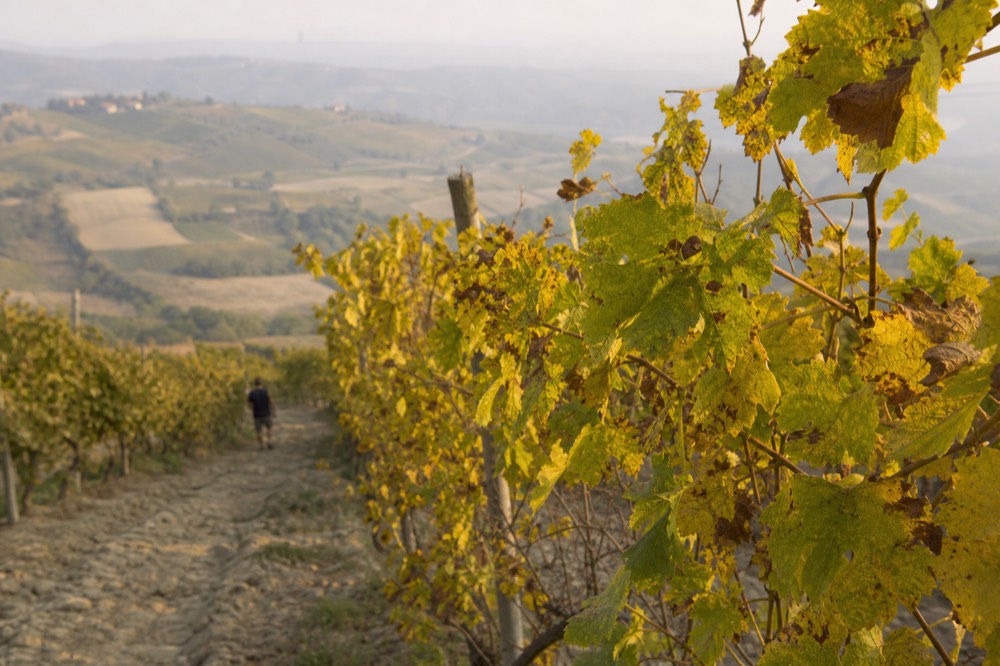
October buys you the truffle season and the vine colour, which begins after the harvest and spreads across October and November, with Nebbiolo leaves turning yellow and Dolcetto red. The trade is weather risk: rain days climb through the month, and an e-bike battery and a wet white road are a worse combination than a dry one. The full seasonal breakdown, including the white truffle fair dates, is in the best time to visit Piedmont guide.
What Does An E-Bike Tour In The Langhe Cost, All In?
The tour itself runs from $46 to $208 per person depending on format and length, with the mainstream guided options clustered between $93 and $186, and the private Barbaresco tour at $118 sitting in the middle of that cluster; the honest extras are cellar tasting fees, lunch and the train, with the Trenitalia bike supplement at €3.50 for a full day if you bring your own bike. Tasting fees in the Alba area are listed from around €25 to €50 per person with a cellar visit, so a full guided day with two tastings and lunch can reasonably double the sticker price.
The private Langhe del Barbaresco tour is the reference point for value. At from $118 per person for six to seven hours, rated 5 across 14 reviews, it undercuts the guided Barolo scenic tour at from $186 while covering comparable ground on asphalt-only routing. It is the pick this site points most visitors toward, and the one to book early for September and October dates.
| Cost item | Typical range | Note |
|---|---|---|
| Guided e-bike tour, half to full day | $46 to $208 per person | From prices on the live listings |
| Private e-bike tour, Langhe del Barbaresco | from $118 per person | 6 to 7 hours, asphalt only |
| E-bike rental with food and wine experiences | from $52 per person | Full day, self-guided |
| Cellar tasting with visit, Alba area | listed from €25 to €50 per person | Check the room for current fees |
| Bike supplement, Trenitalia Regionale | €3.50 | Valid to 23:59 on the ticket date |
Where Do E-Bike Tours Fit In The Wider Region?
The Langhe and Roero hold the bulk of the region's e-bike touring, but the Monferrato east of Asti is the quiet alternative, with tours listing from $46 in the Cisterna d'Asti hills and from $75 for a scenic ride with an infernot cellar visit, and Turin itself offers city e-bike tours from $45 for travellers adding a city leg to a wine-country trip. The Monferrato's hills are lower and its roads quieter, which makes it the better classroom for a nervous rider.
The contrast between the two halves of the region is geological as much as anything. The Roero, north of the Tanaro, is sandier ground cut by the Rocche erosion cliffs, while the Langhe south of the river is older marl and clay-limestone giving the rounded terraced hills of the postcards. Canale sits at 201 m against La Morra's 508 m, and a rider feels that difference in the legs by mid-afternoon. The quieter half is mapped out in the Monferrato and Roero cycling guide.
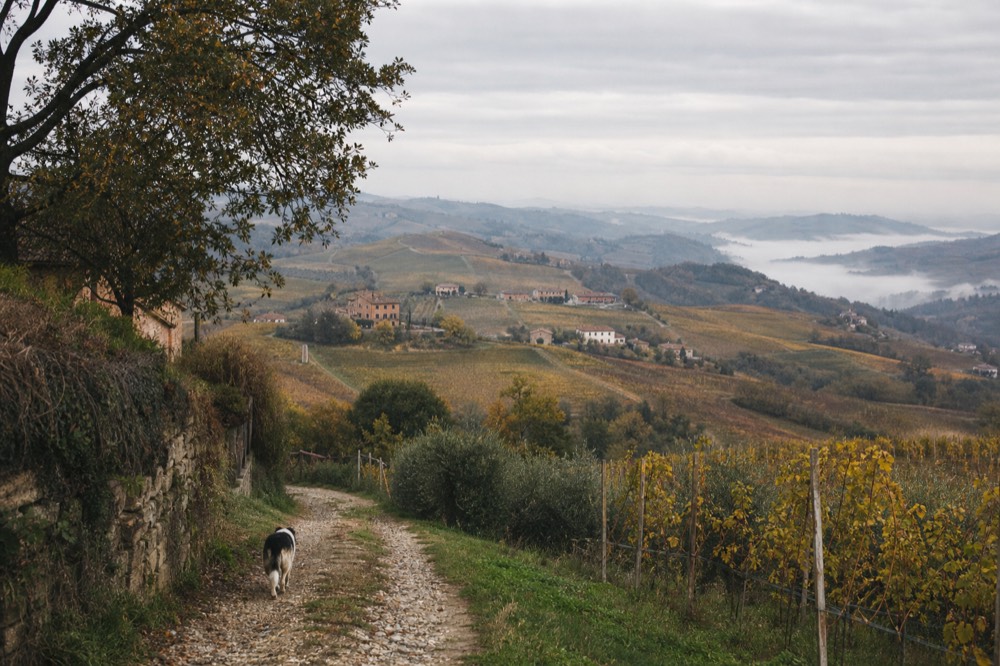
One infrastructure note that keeps this site honest: a 32.5 km cycle route between Alba and Canelli, the Ciclovia delle Colline Unesco, is funded with a €10 million regional grant, but it is not built, and no sentence on this site will put a rider on it until it is. The Langhe you ride today is a road network, and the e-bike is how you ride it. For the village-by-village road detail, see the Barolo bike tour routes guide.
The short answers: a 250 W pedelec cutting out at 25 km/h is legally a bicycle needing no licence, plate, insurance or helmet at any age, the Barbaresco loop involves about 457 m of climbing over 35.6 km, guided tours list from $46 to $208 per person, September is the best month with an average high of 23.6 °C at Alba, and a reflective vest is required outside built-up areas after dark and in tunnels at any hour. The details behind each answer follow.
Common Questions About E-Bike Tours In The Langhe
Are e-bikes allowed in Italy?
Yes. A pedal-assist bike with a motor rated up to 250 W that cuts out at 25 km/h and stops when you stop pedalling is legally a bicycle in Italy, needing no licence, plate or insurance. Faster machines are treated as mopeds.
Do I need to wear a helmet on an e-bike in Italy?
No, Italian law does not require a helmet for any cyclist at any age, including on a pedelec. Many tour operators require one as company policy, and this site recommends one on the Langhe's narrow roads, but it is not a legal requirement.
Can a beginner ride the Langhe hills on an e-bike?
Generally yes. The Barbaresco loop involves about 457 m of climbing over 35.6 km, and pedal assist flattens most of that for a rider with basic bike handling. The Alta Langa, with about 1,040 m of ascent to Momcaro, is the exception that needs honest fitness.
How much does an e-bike tour in the Langhe cost?
Guided tours list from $46 to $208 per person depending on length and format, with the mainstream options between $93 and $186. A private Langhe del Barbaresco tour lists from $118 per person for six to seven hours.
What is the reflective vest rule in Italy?
Cyclists must wear a high-visibility vest or braces outside built-up areas from half an hour after sunset to half an hour before sunrise, and in tunnels at any hour. The Langhe is almost entirely outside built-up areas, so an autumn ride finishing near dusk needs one.
When is the best month for an e-bike tour in the Langhe?
September. The average high at Alba is about 23.6 °C, the rain is manageable at around 81 mm, and the Nebbiolo harvest comes off the hills from late September. May and June are the next best window.