Is Truffle Hunting In Italy Worth It?
An honest verdict on truffle hunting in Piedmont, from the staged experiences to the real hunts, with costs, seasons, and how to pair it with a Langhe bike tour.
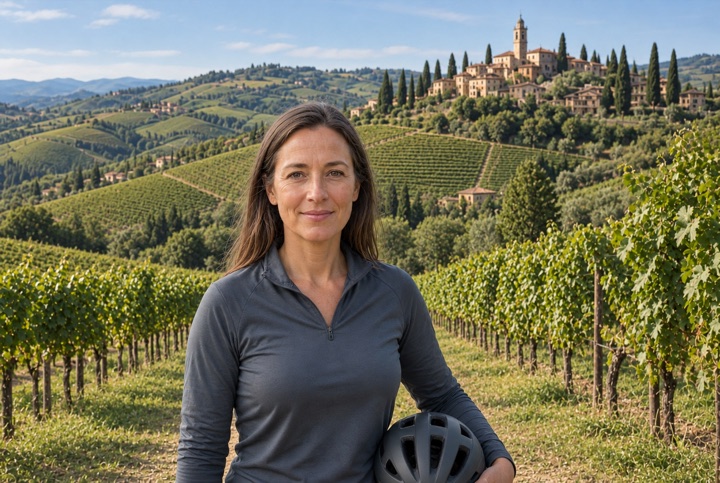 By Chiara Barbero, Piedmont Bike Tour Guide and Langhe Cycling Specialist
Is Truffle Hunting In Italy Worth It?
It can be, but only if you know what you are signing up for. Many truffle hunts around Alba are staged experiences where a pre-buried truffle is found by a trained dog, while a handful of genuine hunts with a trifolau offer a real glimpse of the tradition. The difference is rarely advertised, so choosing the right operator and season matters more than the price tag.
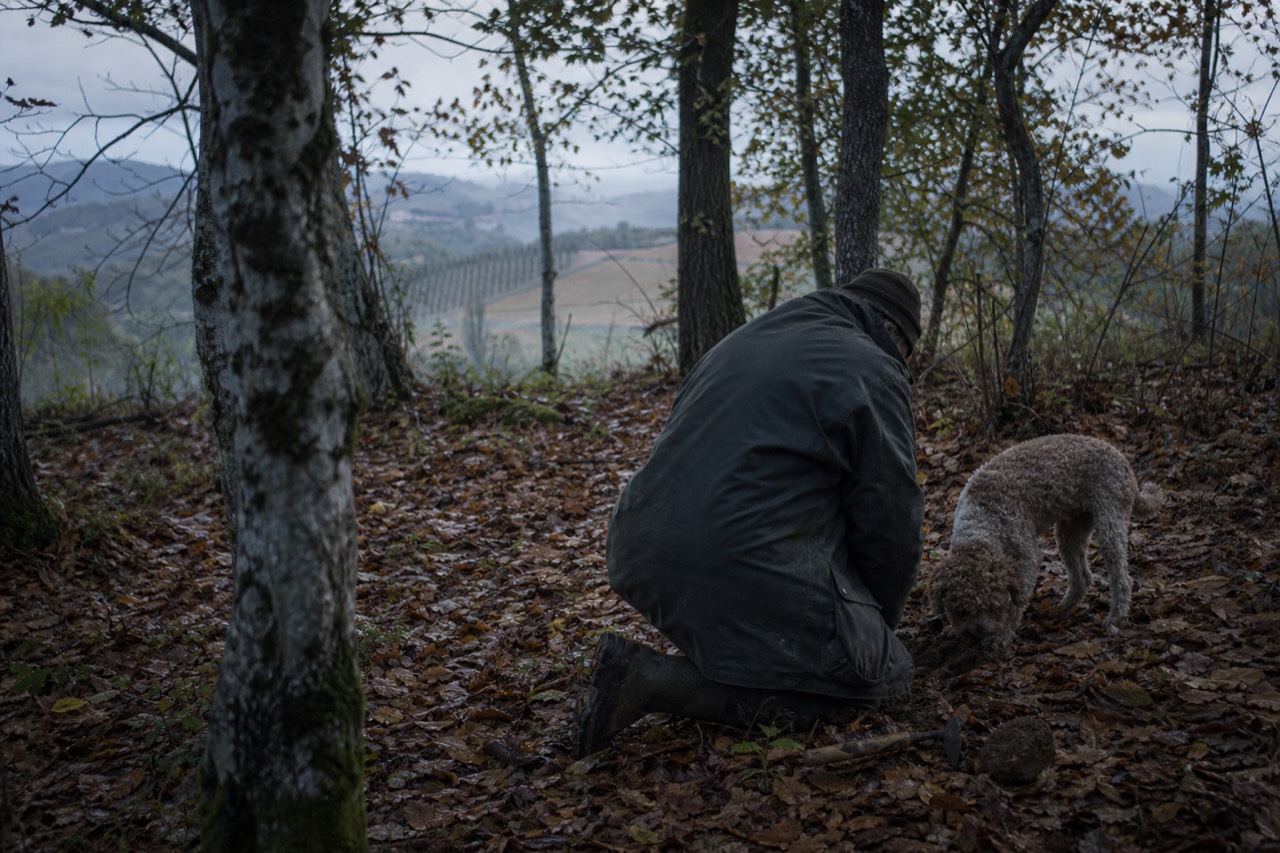
The image of a truffle hunter and his dog disappearing into a foggy Langhe wood is one of Piedmont's most seductive travel posters. The reality, however, often involves a group of tourists following a handler who knows exactly where the truffle was placed that morning. The truffle is real, the dog is real, but the hunt is closer to a demonstration than a discovery. That does not make it a bad experience, many visitors enjoy the theatre, but it does mean that the question "is it worth it?" depends on what you expect.
At Piedmont Bike Tours we see truffle hunting as a complement to a day on the bike, not the main event. A morning hunt can be a charming introduction to the woods, and the dog's enthusiasm is infectious. But if you are imagining a solitary walk with a secretive trifolau who will lead you to a fortune in white gold, you will be disappointed. The hunts that are openly marketed to tourists are staged, and the ones that are not are rarely bookable online.
Prices for these experiences start around €50-60 per person, listed on activity aggregators for hunts near Monforte d'Alba and the Alba hills. Some operators claim to be working with a real trifolau, but the distinction is blurry. A genuine truffle hunter does not usually take bookings through a website, he works at dawn, alone, and sells to restaurants. So the €50 hunt is a performance, and the €100 "private" version is a longer performance with a better dog. That is not a scam, it is the product, but it is worth knowing before you pay.
The white truffle season runs from 1 October to 31 January, set by the Regione Piemonte. The peak of the action is the Fiera Internazionale del Tartufo Bianco d’Alba, now in its 96th edition, which runs from 10 October to 6 December 2026. The fair's Mercato Mondiale del Tartufo is open Saturdays and Sundays only, with online tickets costing €6 plus fees. That is a different experience from a hunt, but it is the real market, and it is where you can see truffles being weighed and sold at prices that can reach thousands of euros per kilo. If you want to touch and smell a truffle without the theatre, the fair is a more honest encounter.
A truffle hunt is not a meal. The fee covers the walk and the demonstration, it does not include the truffle itself. If you want to eat what the dog finds, you will need to buy it separately, and a single white truffle can cost hundreds of euros. Many visitors instead combine a hunt with a truffle-themed lunch at a nearby osteria, where a few grams of shaved tartufo bianco on tajarin costs far less than buying the whole fungus. That approach, a morning hunt, a plate of pasta, and an afternoon on a bike, is the Langhe day that actually works.
How Much Does A Truffle Hunt Cost In Piedmont?
Listed prices start around €50-60 per person for a group hunt lasting an hour or two, with some operators charging up to €100 for a private experience with a trifolau. These prices rarely include the truffle itself, which is sold separately at market rates. The real cost is the opportunity: a staged hunt is entertaining, but a genuine hunt with a working trifolau is almost impossible to book as a tourist.
The pricing data comes from live listings on activity aggregators, where hunts near Monforte d'Alba and the Alba hills are advertised at €50 and €60 per person for 2026. Those are from-prices, and they typically cover a group walk of about an hour with one dog. A private hunt can cost more, but the product is essentially the same: a handler, a dog, and a pre-positioned truffle. There is no official certification that separates a "real" hunt from a staged one, so the price is not a reliable guide to authenticity.
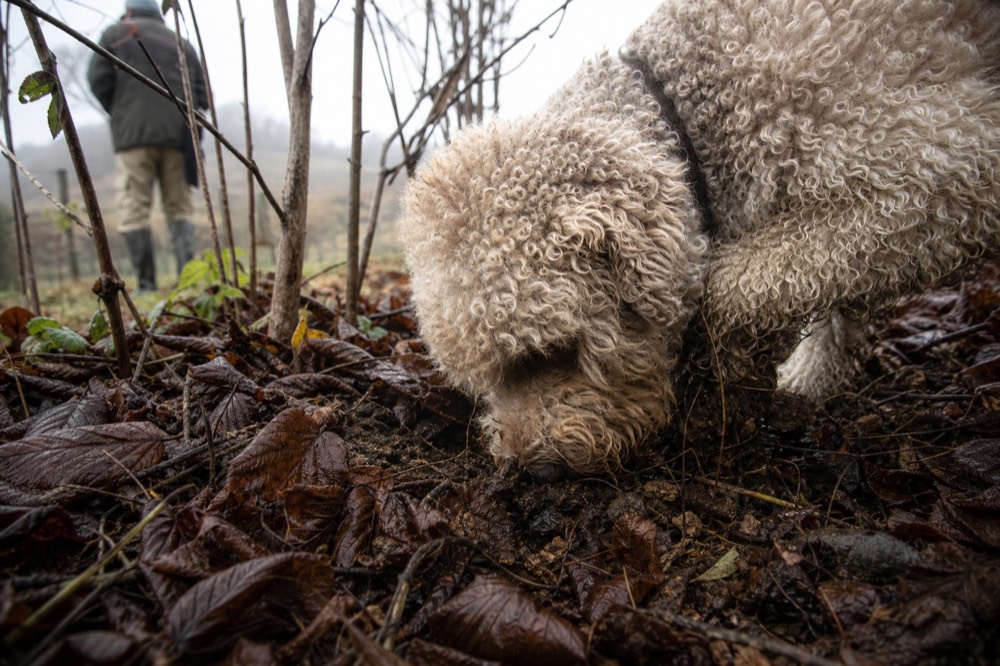
What you are really paying for is the setting. A hunt in a hazelnut grove or oak wood in the Langhe is beautiful, especially in October when the leaves are turning and the air is cool. The dog is usually a Lagotto Romagnolo, the breed most associated with truffle hunting, and its work is genuinely impressive. The handler will explain how truffles grow, how dogs are trained, and why the white truffle of Alba is so prized. That educational layer is the value, not the discovery.
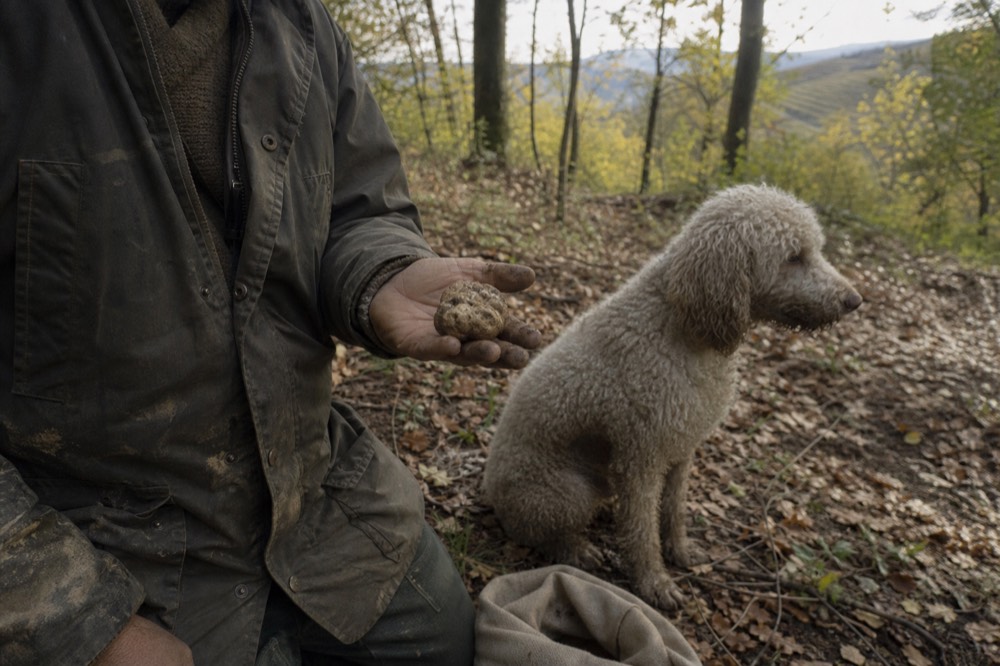
If you are set on a truffle hunt, the best way to improve your odds of a less scripted experience is to book through a local agriturismo or a small-scale operator who works directly with a trifolau. These are rarely found on the large booking platforms, and they often require a phone call or an email. The hunt may be at dawn, and the trifolau may not speak much English, but the experience will be closer to the real tradition.
For most visitors, the truffle hunt is a one-hour add-on, not a half-day activity. That makes it easy to pair with something else, like a bike ride through the same hills where the truffles grow. The private e-bike tour "Langhe del Barbaresco" covers the Barbaresco zone on asphalt roads only, and it starts from $118 per person. You can hunt in the morning and ride in the afternoon, or vice versa, and the guide can often recommend a truffle-friendly restaurant for lunch.
When Is The Best Time For Truffle Hunting In Piedmont?
The white truffle season runs from 1 October to 31 January, with the peak market and the Alba Truffle Fair from 10 October to 6 December. Autumn is the best time, as the truffles are fresh and the weather is crisp, but weekends during the fair can be crowded. If you want to avoid the biggest crowds, aim for a weekday in late October or early November.
The white truffle, Tuber magnatum, is the star of the Langhe, and it only appears in the autumn and early winter. The season is set by the Regione Piemonte, and it aligns with the truffle fair in Alba, which is the largest event of its kind in Italy. The fair draws thousands of visitors, and the town's restaurants and hotels fill up weeks in advance. If you are planning to visit during the fair, book your accommodation and any truffle hunt well ahead.
The historic train service from Milan to Alba, announced for October 2026, adds another reason to visit in the autumn. The train runs on Sundays 11, 18 and 25 October, using vintage Gran Confort carriages, and it is aimed at truffle and wine tourists. It is not a direct connection for cyclists, bike carriage is not confirmed, but it is a scenic way to arrive.
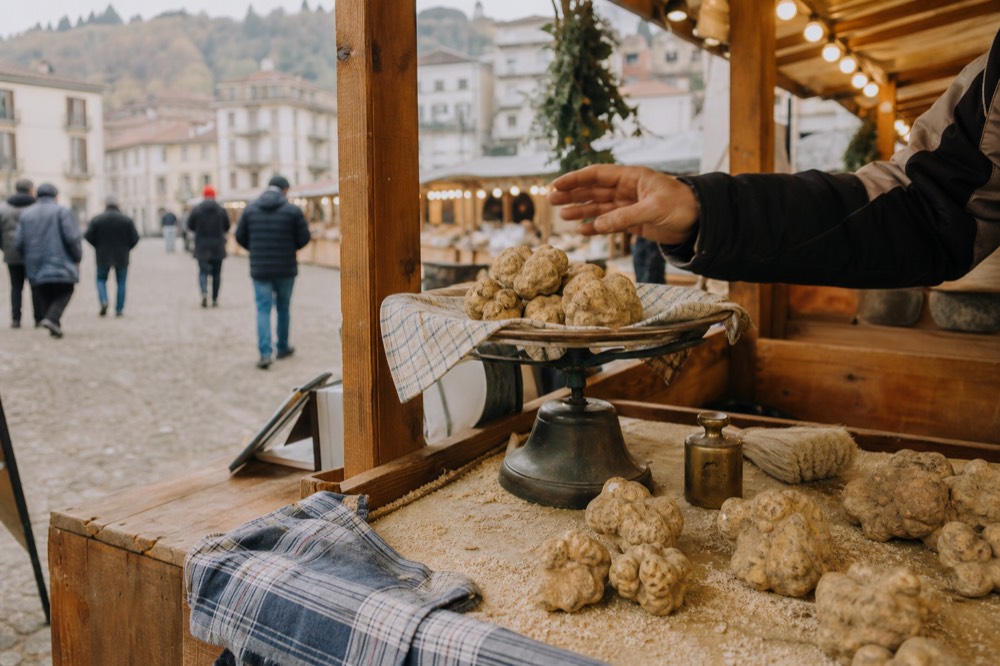
The weather in October is usually ideal for outdoor activities. The average high temperature in Alba in October is about 17.6°C, and the rainfall is moderate at around 90 mm. November is wetter, with an average of 115 mm, but the truffles are at their peak. If you are combining a hunt with a bike ride, October is the sweet spot: the vines are turning colour, the heat of summer has passed, and the truffle season is in full swing.
| Event | Dates | Details |
|---|---|---|
| White truffle season | 1 Oct 2026 – 31 Jan 2027 | Legal hunting period for Tuber magnatum in Piedmont |
| Alba Truffle Fair | 10 Oct – 6 Dec 2026 | 96th edition, market weekends only, tickets €6 |
| Historic Milan-Alba trains | Sundays 11, 18, 25 Oct 2026 | Vintage carriages, truffle and wine tourism |
| Capodanno del Tartufo | 30 Sep – 1 Oct 2026 | Symbolic start of the truffle season at midnight |
The fair's market is only open on Saturdays and Sundays, so if you want to see truffles being traded, plan your visit for a weekend. The rest of the town is lively throughout the fair, with cooking demonstrations, wine tastings, and cultural events. Even if you skip the hunt, the fair itself is worth a morning.
Can You Combine Truffle Hunting With A Bike Tour In The Langhe?
Yes, a morning truffle hunt pairs perfectly with an afternoon e-bike ride through the Barbaresco or Barolo hills. Several operators offer hunts near Alba, and the private e-bike tour "Langhe del Barbaresco" starts from $118 per person and covers the same countryside where truffles grow. The key is to book both in advance and to plan a lunch stop that bridges the two activities.
The geography works in your favour. Most truffle hunts take place in the woods and hazelnut groves within a short drive of Alba, and the Barbaresco and Barolo cycling routes start from the same area (see Best Cycling Area). A typical plan: hunt from 9 a.m. to 10:30 a.m., drive or cycle to a restaurant for a truffle lunch, then start a bike tour at 1 p.m. The private e-bike tour "Langhe del Barbaresco" is a full-day ride, but you can arrange a later start with the operator.
The Barbaresco hills are less crowded than Barolo, and the riding is gentler. The private tour sticks to asphalt roads, and the guide can tailor the route to your fitness. From $118 per person, it is a good value for a private experience, and the 14 reviews give it a perfect 5-star rating. The tour does not include a truffle hunt, but the operator can often recommend a local trifolau.
If you prefer a self-guided option, the e-bike rental with food and wine experiences in Barbaresco starts from $52 per day. That gives you the freedom to explore the hills at your own pace, and you can book a truffle hunt separately. The rental includes a route map and restaurant suggestions, so you can build your own truffle-and-cycling day.
Another option is the Alba e-bike tour with cellar wine tasting, which starts from $186 per person. This tour includes a wine tasting in a cellar, and it runs for about six hours. You could easily add a truffle hunt in the morning and then join the bike tour in the afternoon. The tour departs from Alba, which is the hub for truffle hunting.
What Else Can You Do Near Alba During Truffle Season?
Beyond the hunt and the fair, Alba and the surrounding villages offer wine tastings, castle visits, and some of the best food in Italy. The truffle season coincides with the tail end of the harvest, so many cellars are open and the restaurants are serving their finest dishes. A day that starts with a hunt and ends with a Barolo tasting is a day well spent.
The Langhe is not just about truffles. The same hills produce Barolo, Barbaresco, and a dozen other wines, and the autumn is when the cellars are most welcoming. You can visit the WiMu wine museum in Barolo, which reopened for the 2026 season in March, or the Renato Ratti museum in La Morra, which is free on weekends. The castles of Grinzane Cavour and Serralunga d'Alba are also worth a stop, and they offer panoramic views of the vineyards.
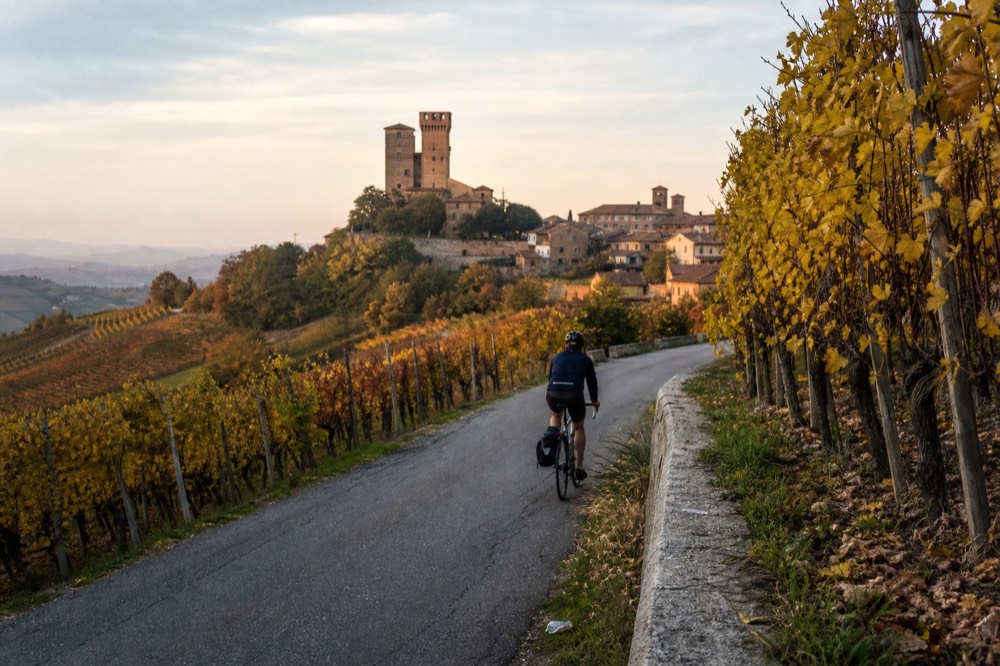
The food is the real draw. A plate of tajarin with shaved white truffle is the iconic dish, but you can also find agnolotti del plin, carne cruda all'albese, and braised beef in Barolo. Many restaurants offer a truffle menu during the fair, and the prices are reasonable if you stick to a few grams. A truffle lunch for two with a bottle of Barbera can cost under €100, which is far less than buying a whole truffle at the market.
The historic trains from Milan to Alba add a nostalgic touch, and the new Wizz Air routes to Turin Caselle from Barcelona, Bilbao, and Valencia make the region more accessible than ever. If you are flying in, Turin airport is about 90 km from Alba, a drive of roughly an hour and a quarter. The train from Turin to Alba takes a little over an hour and a half, with no change required.
For a deeper dive into the region's cycling routes, see our guide to Barolo bike tour routes and the villages they pass through. If you want to understand the wine behind the truffle, read our comparison of Barolo vs Barbaresco.
Here are answers to the most common questions about truffle hunting in Italy, including what to expect from a typical hunt, how much it costs, when the white truffle season runs, whether you can pair it with a bike tour, and how to choose an operator that offers a genuine experience rather than a staged one.
Common Questions About Truffle Hunting In Italy
Is truffle hunting in Italy worth it?
It can be, if you go in with the right expectations. Most tourist hunts are staged, with a pre-buried truffle found by a trained dog, but the setting and the education can still be enjoyable. For a more authentic experience, seek out a local agriturismo that works with a real trifolau, and be prepared for an early start and a language barrier.
How much does a truffle hunt cost in Piedmont?
Listed prices start around €50-60 per person for a group hunt, with private hunts costing up to €100. The fee covers the walk and the demonstration; the truffle itself is sold separately at market rates.
When is the white truffle season in Italy?
The white truffle season in Piedmont runs from 1 October to 31 January, with the peak market during the Alba Truffle Fair from 10 October to 6 December.
Can you combine a truffle hunt with a bike tour?
Yes, a morning hunt pairs well with an afternoon e-bike ride through the Barbaresco or Barolo hills. Several tours start from Alba, and the private e-bike tour "Langhe del Barbaresco" is a popular choice.
What should I look for in a truffle hunt operator?
Look for a small-scale operator who works directly with a trifolau, rather than a large aggregator. Ask whether the truffle is pre-buried, and if the hunt takes place at dawn, it is more likely to be genuine.