Is Turin, Italy Expensive?
Real visitor costs for Turin, from hotels and meals to museum tickets, compared with Alba and the Langhe wine villages, plus what a bike tour costs.
 By Chiara Barbero, Piedmont Bike Tour Guide and Langhe Cycling Specialist
Turin's hotel rooms averaged €171.65 a night in November 2025, the peak month, but you can sleep well for half that in summer. The city's real expense is its museums, not its beds. Visitors who book a ride with Piedmont Bike Tours often ask whether Turin will stretch their budget, and the answer depends more on the season and your appetite for art than on the city itself.
Is Turin, Italy Expensive?
Turin is a mid-priced northern Italian city. A comfortable day with a mid-range hotel, two meals, a museum and public transport runs about €120–€180 per person, less than Milan or Venice but more than Bologna or Verona. Accommodation is the biggest variable, and a Torino+Piemonte Card can cut sightseeing costs sharply.
That range reflects a 3-star double room, a simple lunch, a sit-down dinner, one major museum, and a couple of tram rides. In high summer or during the Salone del Libro in May, the top end pushes closer to €200. In January, when the Luci d’Artista lights are still up but the crowds are gone, you can stay in a 4-star hotel for under €100 a night.
Cycling is one of the smartest ways to keep costs down while seeing more. A guided city bike tour in Turin starts at $35, while a 6-hour private e-bike tour through the Barolo vineyards with a picnic costs from $93. Here are three rides that cover the range.
The city tours are short, flat and heavy on history. The Langhe rides climb through the vineyards and include a tasting, so the higher price buys you four to seven hours of guided riding and a proper cellar visit. If you're staying in Turin and want a day in the wine hills, the Barbaresco e-bike rental and food experience is the most flexible option: pick up the bike in Barbaresco, ride at your own pace, and stop for lunch at a cantina.
How Much Does Accommodation Cost In Turin?
The cost of accommodation in Turin depends on your preferences and travel style, with budget-conscious visitors able to find very affordable beds in hostels or guesthouses, while those seeking comfort can opt for well-priced mid-range hotels, and luxury travelers will find elegant five-star properties offering top-tier amenities and service.
A double room in a central 3-star hotel typically costs less than €100 in quieter months, while 4-star properties can be significantly more. Turin's tourist tax adds €3.50–€4.50 per person per night, and the city's average daily rate peaked at €171.65 in November 2025, driven by the truffle fair and autumn events.
The imposta di soggiorno rose in April 2026 to €3 for 1-2 star hotels, €3.50 for 3-star, €4.50 for 4-star and €5 for 5-star. Extra-alberghiere properties, from B&Bs to short-term rentals, now charge €3.80 per person per night. That adds €7–€10 to a couple's bill each day, a small but real line item.
Hotel rates follow the events calendar. The 38th Salone Internazionale del Libro drew 254,000 visitors in May 2026, and rooms sell out months ahead. The Torino Film Festival in late November and the Luci d’Artista light installations from October to January also push prices up. The sweet spot for value is late June through early September, when the city empties and 4-star rooms often drop considerably. Just be ready for heat: summer 2026 was the hottest on record in Piemonte, with 18 consecutive tropical nights in Turin and a new September record of 36°C.
If you're weighing a day trip from Turin against an overnight in the hills, the Neive to Barbaresco cycling tour makes the case for a single focused ride.
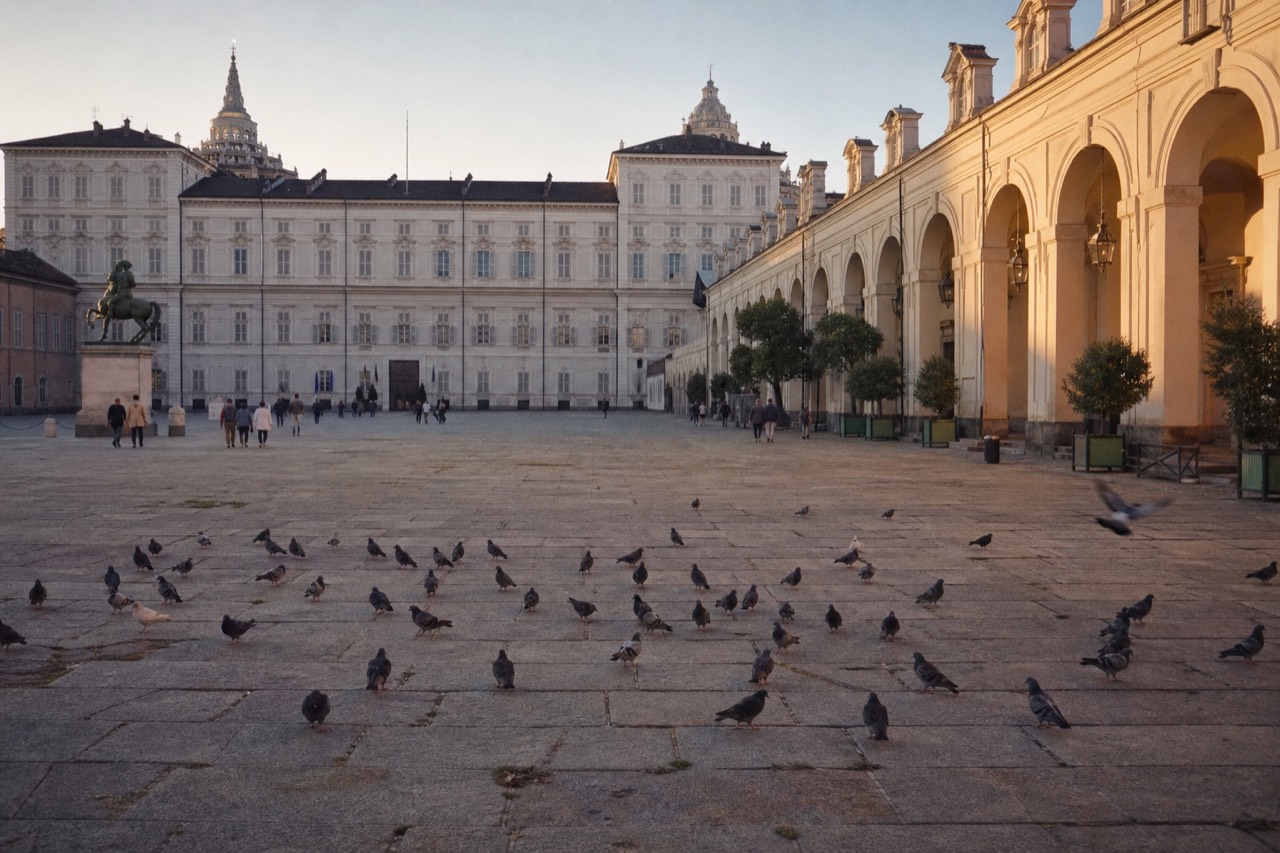
Neighbourhood choice matters as much as timing. Staying near Piazza Castello or along Via Roma puts you steps from the Palazzo Reale and the Museo Egizio, but central addresses carry a premium. The San Salvario and Vanchiglia districts, both within a short walk or tram ride of the centre, tend to offer better value, with a growing stock of guesthouses and short-term rentals. Across the river in the Aurora district, prices drop further still, and the area's connection to contemporary art, anchored by the Lavazza museum and its surroundings, gives it a distinct character of its own.
For longer stays, serviced apartments can undercut hotel rates once you factor in the per-night tourist tax, since extra-alberghiere properties charge a flat €3.80 per person regardless of category. Note that the tax applies per person per night, so a family of four in a 4-star hotel pays €18 daily on top of the room rate, money that adds up quickly over a week. Children are typically exempt up to a certain age, but confirm the current threshold with your property before booking, as rules are set by the comune.
Booking strategy is straightforward: if your dates overlap the book fair in May, the film festival in November, or the opening weeks of Luci d'Artista, reserve as early as possible, since the city's hotel stock is modest for a destination of its size and events sell it out. If your dates are flexible, the late June to early September window offers the best combination of availability and price, though you should prioritise accommodation with air conditioning given recent summer temperatures. Travellers arriving on the new Wizz Air routes from September 2026 onwards should also expect a noticeable bump in demand for budget beds near Porta Nuova station, the city's main rail hub.
How Do Turin's Costs Compare To Alba And The Langhe Villages?
Turin generally offers better value than the Langhe hilltop villages, where scenic vineyard views and cellar-door dining command a premium; however, costs are fairly similar to Alba, with accommodation and everyday meals in Turin’s centre often running slightly lower than in the region’s wine-country hubs.
Alba and the Langhe villages cost more for a bed during the autumn truffle season, but food and wine prices are similar to Turin's mid-range restaurants. A day trip from Turin saves on accommodation and gives you the same vineyard roads, though you'll trade a late dinner in Barolo for the train back.
Alba recorded nearly 281,500 overnight stays in 2025, the highest in Cuneo province. During the Fiera Internazionale del Tartufo Bianco, which runs from 10 October to 6 December 2026, accommodation is scarce and prices climb well above Turin's peak. A private room in Alba can easily top €100 a night in October, while a comparable stay in Turin is often €70–€90. The trade-off is real: staying in the hills puts you steps from the cantine and the morning mist over the vines, but it costs more and requires booking months ahead.
Eating and drinking in the Langhe is not dramatically more expensive than in Turin. A plate of tajarin al tartufo in Alba might run €18–€25, similar to a good pasta in the city. Wine by the glass in a Barolo enoteca is €6–€12, about what you'd pay in a Turin wine bar. The difference is that Turin has a deep bench of budget trattorie, kebab shops and aperitivo buffets that the villages lack. In Neive or Barbaresco, your choices are fewer and the floor is higher.
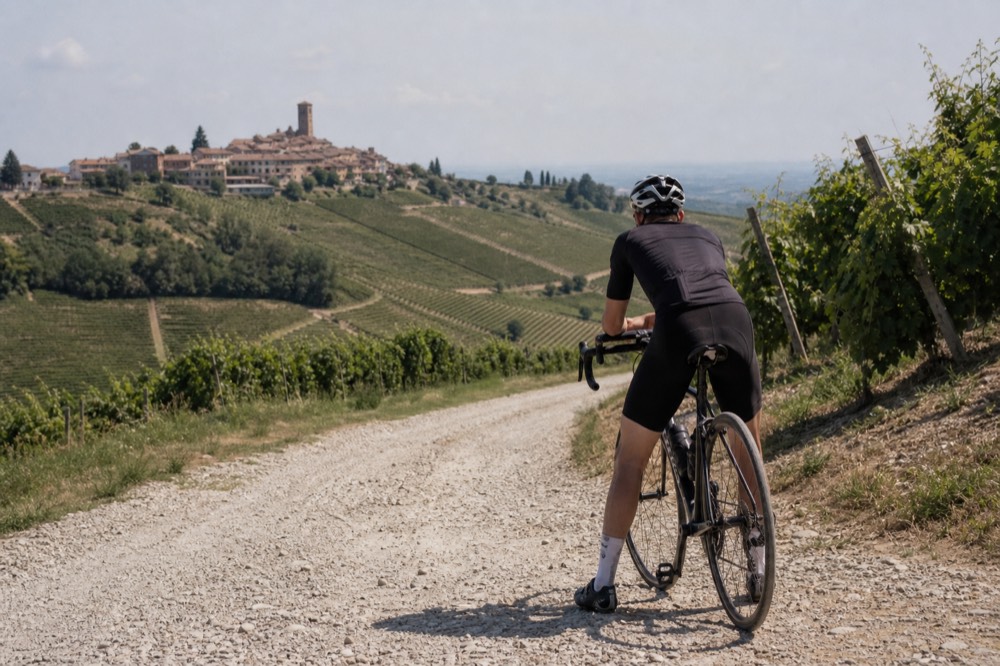
The Neive to Barbaresco cycling tour shows what a day trip from Turin can deliver: a half-day guided ride across the Barbaresco hills, a cellar tasting, and a return to the city by evening.
What Do Bike Tours Cost, And How Do Turin And Langhe Rides Compare?
Bike tours in Turin start at $35 for a 3-hour city highlights ride. Langhe e-bike tours with wine tasting range from €93 to €186, reflecting longer durations, hillier terrain and included cellar visits. The per-hour cost is similar once you factor in the tasting and the guide's expertise.
The table below lines up a few real options from the roster. City tours are short and architectural. The Langhe rides are all-day affairs with serious climbing and a food or wine stop built in.
| Tour | Duration | From price | What's included |
|---|---|---|---|
| Turin: City Highlights Guided Bike Tour | ~3 hours | €35 | Guide, bike, helmet, city route |
| Turin E-Bike Tour: Explore the City and Its Best Viewpoint | ~3 hours | €45 | E-bike, guide, panoramic stop |
| Langhe: E-Bike Rental with Food and Wine Experiences in Barbaresco | ~1 day | €52 | E-bike rental, food and wine stops |
| Langhe Slow: E-bike tour between Serralunga d'Alba and Barolo | ~5.5 hours | $157 | E-bike, guide, UNESCO heritage route |
| E-Bike Tour of Langhe & Roero | ~7 hours | €208 | E-bike, guide, full-day ride across both wine regions |
Prices are per person and come from the operator's live listing. The Barbaresco rental is the budget pick for independent riders. The Serralunga to Barolo slow tour is the sweet spot for a guided half-day with serious scenery.
If you're staying in Turin and want a full-day immersion, the Langhe & Roero e-bike day covers both sides of the Tanaro in one ride. It's the most expensive of the group, but at €208 it still costs less than a night in a Barolo hotel during the truffle fair.
What Does A Meal Cost In Turin?
A casual lunch in a trattoria runs €12–€18 for a primo, while a three-course dinner with wine can cost €35–€55 per person. The city's aperitivo culture, where a drink buys access to a buffet of small plates, is one of the best budget meals in northern Italy, often €8–€12.
Turin's food scene is anchored by Piemontese classics: vitello tonnato, agnolotti del plin, and bagna cauda. A plate of tajarin al tartufo in a mid-range restaurant might cost €16–€22, roughly the same as in Alba. The difference is volume: Turin has hundreds of places to eat, from historic caffè like Caffè Torino in Piazza San Carlo to student-heavy pizzerias near the university. In the Langhe villages, you have a handful of osterie and they all know it's truffle season.
Breakfast is almost always a cornetto and cappuccino at the bar, €2.50–€3.50 if you stand, a little more at a table. Supermarkets like Carrefour Express and Pam are scattered through the centre for picnic supplies. A bottle of decent Barbera d'Alba from a wine shop costs €8–€12, less than two glasses in a bar.
If you're looking for a full breakdown of wine-tasting costs in the hills, our guide to wine tours in Piedmont covers formats, typical prices and what's included.
How Much Does It Cost To Get Around Turin?
Turin's public transport is cheap. A single GTT ticket costs €1.90 on the app or €2.00 on chip-on-paper, valid for 90 minutes on buses and trams. The metro runs from Fermi to Bengasi, and a day pass is around €4.50. Taxis start at about €5 and add €1.50 per kilometre.
The GTT network covers the city well, and most sights are walkable. The metro is useful for reaching Lingotto or the Stadio Olimpico. If you're staying for a few days, the Abbonamento Musei pass at €58 also includes some transport discounts, though it's primarily a museum card.
For day trips to the Langhe, the train from Torino Porta Nuova to Alba takes about an hour and a half, with a one-way fare around €10. The Trenitalia Regionale bike supplement is €3.50, so you can take your own bike or rent one in Alba. Our guide on how to get to Alba details the routes from Turin, Milan and the airports.
What Are The Best Free Or Cheap Things To Do In Turin?
Turin has a generous spread of free experiences: the Piazza Castello and its royal palaces are free to admire from outside, the Murazzi del Po riverside is a long pedestrian walk, and the Porta Palazzo market is Europe's largest open-air market. On the first Sunday of the month, many state museums are free.
The Luci d’Artista light installations from late October to early January turn the whole city into an open-air gallery at no cost. The Parco del Valentino along the Po is a green escape with views of the hills. For a small fee, the Museo Egizio (€18) is worth every cent, but if you're counting euros, the free days are a real saving.
If you're planning a longer stay, our article on how many days in Turin is enough helps you pace the spending.
How Does Turin Compare To Other Italian Cities For Cost?
Turin offers a moderate cost of living for visitors, sitting below the pricey northern trio of Milan, Rome, and Venice, while matching the mid-range expenses of Bologna and Florence for accommodation and dining. It is noticeably pricier than Naples or Palermo, but the difference is less dramatic than many travellers anticipate.
The 2025 Il Sole 24 Ore Qualità della Vita survey placed Milan 8th and Turin 57th among 107 Italian provinces, and the cost-of-living data backs that up. Milan's basket of 20 common food items and services hit €693 in 2026, the highest in Italy, while Turin's equivalent is noticeably lower. A mid-range dinner for two in Milan can easily run €70–€90; in Turin, €50–€65 is more typical.
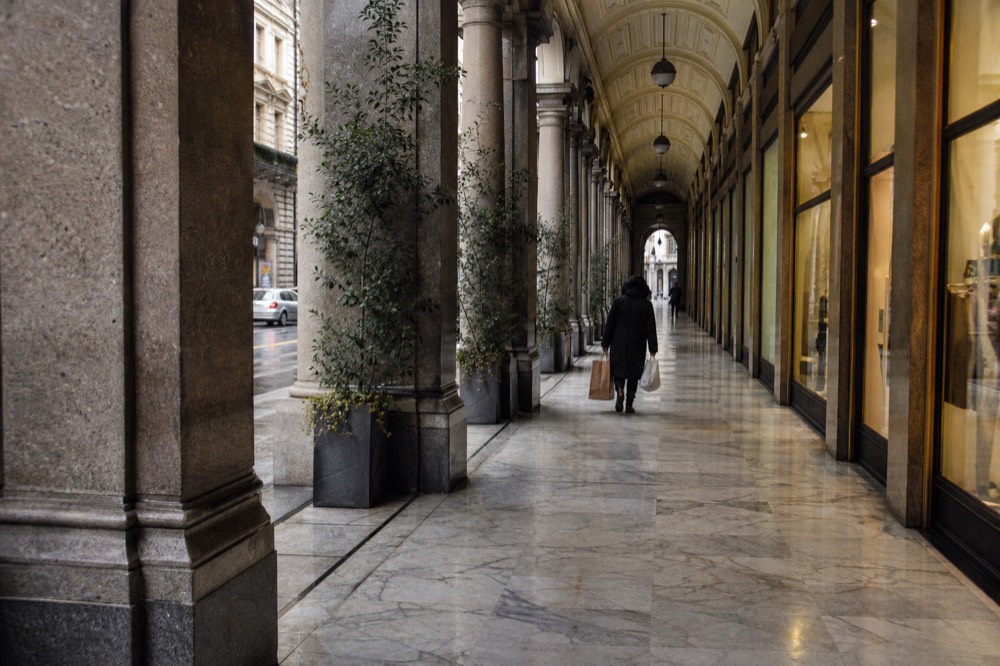
What Turin lacks in blockbuster sights it makes up for in understated elegance. The city's royal past left it with kilometres of arcaded streets, baroque piazzas and a café culture that rivals Vienna's, all at a fraction of the price. For cyclists, the proximity to the Langhe is a bonus that no other major Italian city can match: you can be on a vineyard road an hour after leaving your hotel.
Common Questions About Turin Costs
Is Turin cheaper than Milan?
Yes, across the board. Milan's average hotel rate is higher, meals cost more, and the city's basket of 20 common food items and services reached €693 in 2026, the highest in Italy. Turin's equivalent basket would be noticeably lower, and public transport is cheaper.
How much is a museum ticket in Turin?
The Museo Egizio full-price ticket is €18 in 2026, with mandatory online booking for timed entry. The Museo Nazionale del Cinema at the Mole Antonelliana charges a similar amount. The Abbonamento Musei annual pass at €58 covers almost everything and pays for itself in three visits.
Do I need cash in Turin?
Card payments are widely accepted in hotels, restaurants and museums. Small bars, market stalls and some village cantine in the Langhe still prefer cash, so carry €50–€100 in euros for a day trip to the hills.
Is the Torino+Piemonte Card worth it?
If you plan to visit three or more major museums and use public transport, the 48-hour card at around €40 often saves money. The card also includes free entry to royal residences and discounts on some tours. Check the current price on the official site before buying.
How much should I budget for a day trip to the Langhe from Turin?
Train fare to Alba is about €10 each way, the bike supplement on Regionale trains is €3.50, and a guided e-bike tour with tasting starts at €93. Lunch and a glass of wine add €25–€35. A realistic day-trip budget is €140–€180 per person, including the tour.