Where To Stay In Piedmont Italy: Alba, Barolo Or Asti
The base you pick decides what you can ride. Here is what each Piedmont town and village actually gives you without a car.
 By Chiara Barbero, Piedmont Bike Tour Guide and Langhe Cycling Specialist
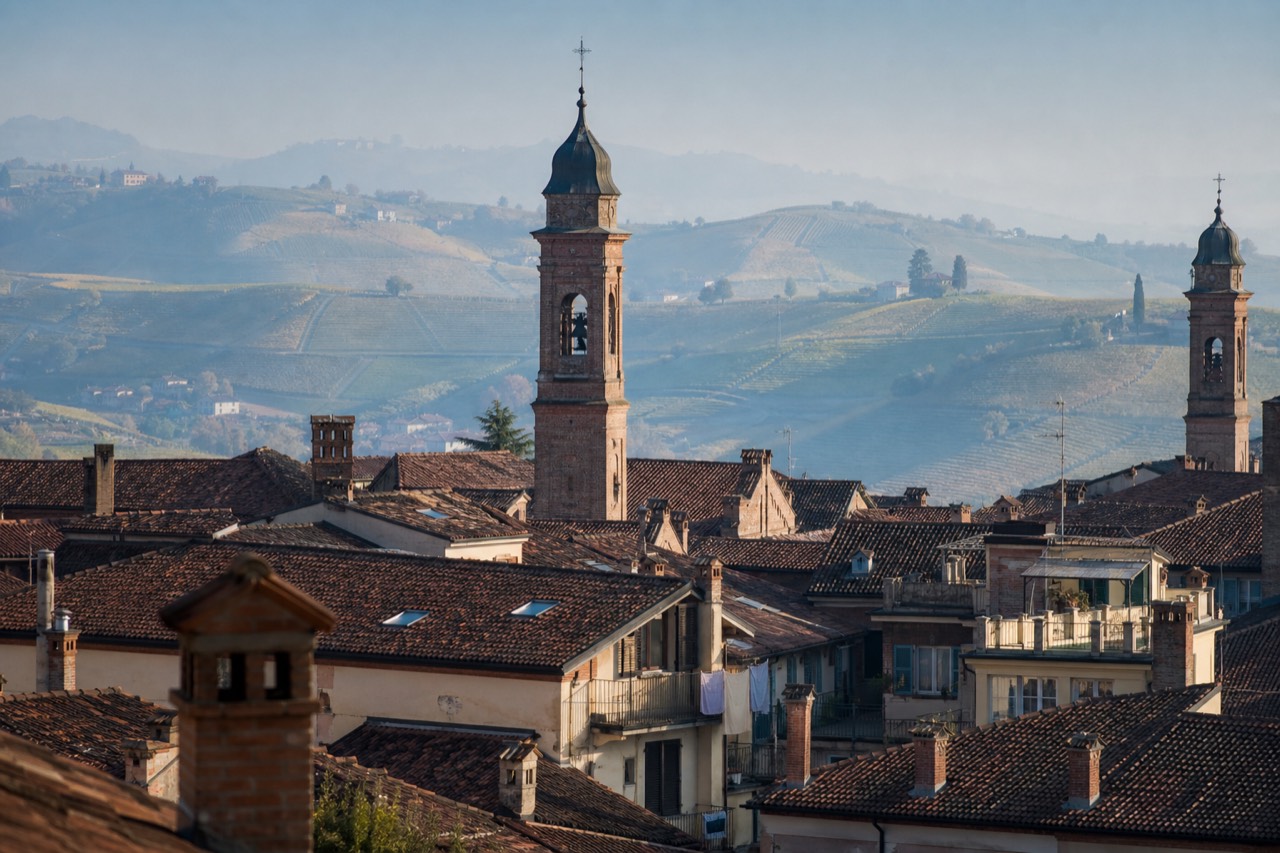
Short answer
Alba is the best all-round base: every famous Barolo and Barbaresco village sits within about 20 km, and trains link it to Turin and Asti. Stay in Barolo or La Morra for scenery and quiet, Asti for cheaper rooms and flat riding, Turin only if the city matters more than the hills.
Alba has 30,985 residents. Barolo, the village that gives its name to Italy's most famous red wine, has 613. That gap is the single most useful fact for anyone deciding where to stay in Piedmont, because the small villages are beautiful and thin on services, while the one substantial town sits at the centre of everything a cyclist comes for. Every famous Barolo and Barbaresco village lies within roughly 20 km of Alba, and the town has the train line, the bike rental and the restaurants that a car-free week needs.
This guide works through the base decision the way it actually plays out on the ground: what each option lets you reach without a car, what it costs, and when it is busy. The answer is different for a rider who wants to climb into the Alta Langa, a couple who want one cellar visit a day, and a visitor using Turin as a city base with day trips into the hills. Piedmont Bike Tours covers the whole region, so this page compares every base honestly rather than pushing you toward one.
Where Should You Stay In Piedmont For A Cycling Trip?
Stay in Alba if you want one base for the whole Langhe, because it is the only town that combines real train links, bike rental and a full range of rooms, and every major wine village sits within about 20 km of it. Choose Barolo or La Morra for a scenic stay with short rides, Asti for cheaper rooms and flat valley riding, or Turin only if the city itself is half your reason for travelling.
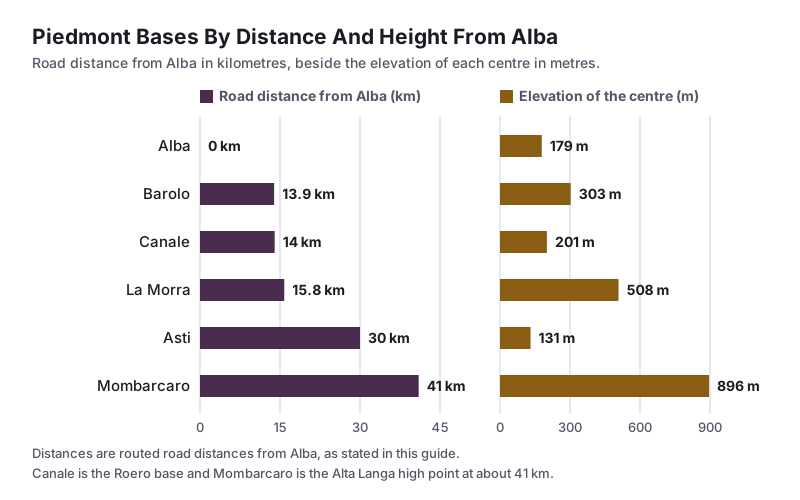
The geography drives everything. Routed over the real road network, Alba sits 13.9 km from Barolo, 13.5 km from Barbaresco, 13.4 km from Neive, 15.8 km from La Morra and 19.6 km from Monforte d'Alba. Those are distances a fit rider on an e-bike covers before lunch, which is why so many Langhe trips end up based in or around Alba whether the traveller planned it that way or not.
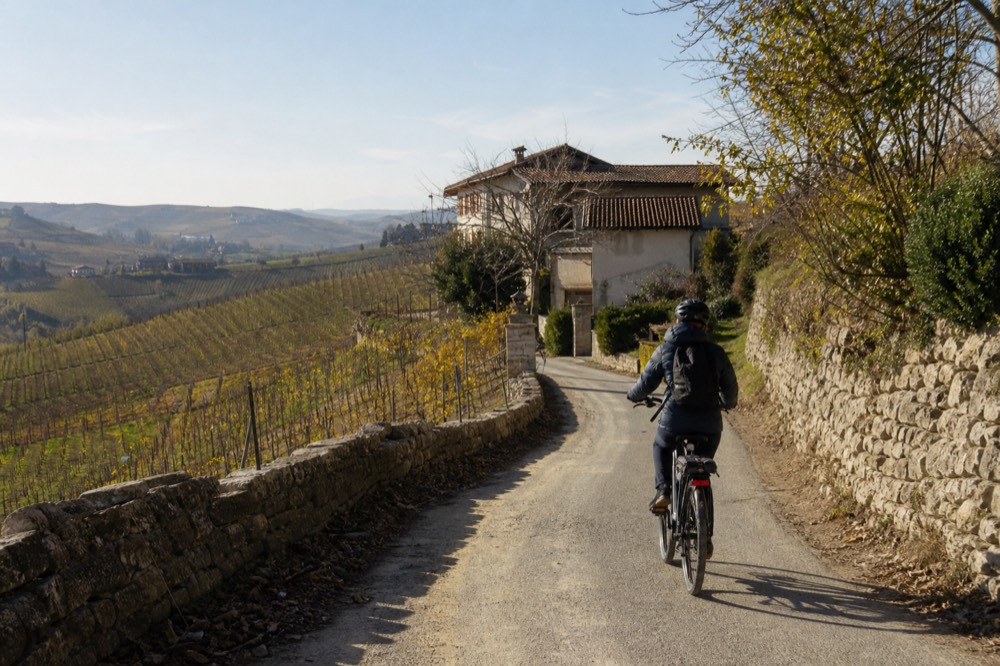
The vertical picture matters as much as the horizontal one. Alba's centre stands at 179 m; La Morra, the highest of the classic villages, stands at 508 m. A rider climbing from the valley to La Morra gains roughly 329 m of height, and the full circuit of the Barolo villages from Alba runs about 68 km with roughly 875 m of climbing. None of that is brutal, but it explains why the e-bike has become the default machine here, a point we cover in detail in e-bike tours in Italy.
| Base | Elevation (centre) | Feel | Best for |
|---|---|---|---|
| Alba | 179 m | Working town of 30,985 | Car-free access to the whole Langhe |
| Barolo | 303 m | Village of 613 | Scenery, cellars, short rides |
| La Morra | 508 m | Hilltop village of 2,626 | The viewpoint, quiet roads |
| Asti | 131 m | City of 73,604 | Value, trains, flat riding |
| Turin | Regional capital | Big-city pace | City life, museum days |
Should You Stay In Alba Or In One Of The Barolo Villages?
Stay in Alba if you are arriving by train or want restaurants and rental bikes on the doorstep; stay in Barolo, La Morra or Serralunga d'Alba if you have a car or are booking a guided tour that collects you, and your priority is waking up inside the vineyard landscape rather than looking at it from the valley.
Alba's advantage is connection. Direct trains run from Turin with no change, taking a little over an hour and a half, and the Alba-Asti line reopened in September 2023, so both rails out of town work. The Trenitalia bike supplement is €3.50 for the day, valid until 23:59 on the ticket date, which makes a car-free arrival with your own bike realistic. Rental businesses trade in Alba itself, and the town holds enough restaurants and bars that a week without a vehicle never feels thin.
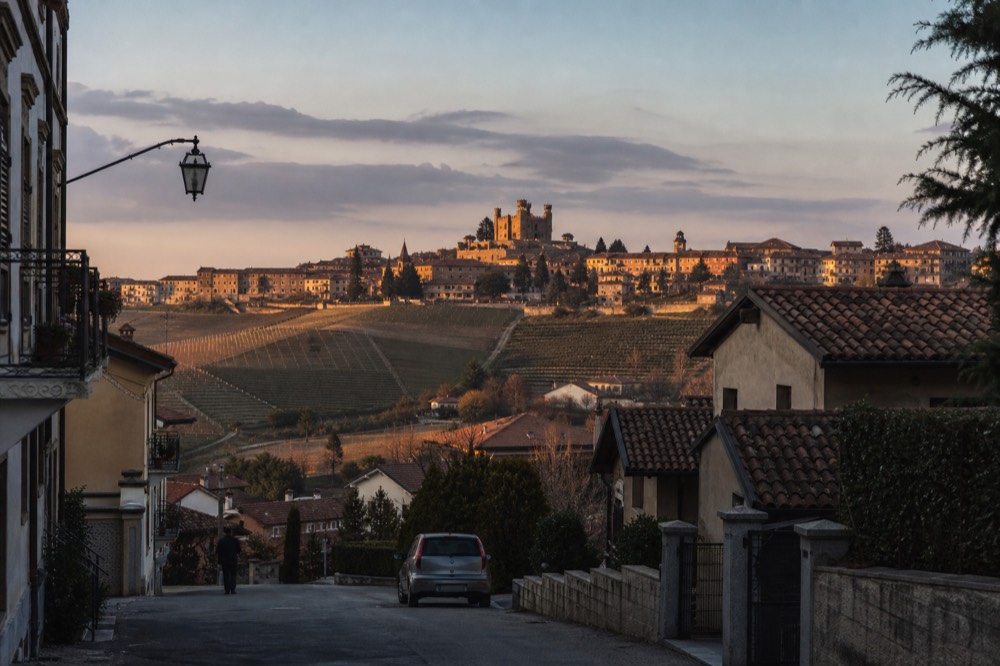
The village case is real too. Barolo, Serralunga d'Alba and Monforte d'Alba put you inside the postcard: you walk out of your room into the vineyards, and the evening is a cellar door and a slow dinner rather than a town street. The trade is practical. A village of 613 people has a handful of restaurants, limited buses and no train station, so without a car you are riding or booking a tour every day. If a guided e-bike tour is the spine of your trip, basing in the villages stops being a handicap and becomes a pleasure.
If that is your plan, the Monferrato and Monforte-area guided rides are worth comparing early, because several of them collect from central points in the wine country. The trio below spans a scenic cellar-crawl format, a food-tasting ride and a harder mountain-bike day, so you can see the spread of what a guided day costs before you commit to a base.
One more Alba point that decides many trips: the town recorded nearly 281,500 overnight stays in 2025, the highest of any destination in Cuneo province. That demand means the good rooms book out around the truffle fair, but it also means the town has the hotel stock the villages simply do not.
Is Turin A Good Base For The Wine Hills?
Turin works as a base only if the city is a genuine part of your trip, because the Langhe is about 71 km away by road and roughly an hour and a half by train each way, so a day trip costs you half a day of travelling; it suits a first-time visitor pairing museums with two or three hill days, not a riding-focused week.
The train is the reason Turin is viable at all. Direct Turin to Alba services run with no change, and from Alba station the whole Langhe opens up on a rental e-bike. Visitors averaged 2.5 nights in Turin and its first belt in 2025, which tells you most people treat it as a short city stay, and that shape fits: two days of Egizio Museum, porticoes and bicerin, then a train south with the bike.
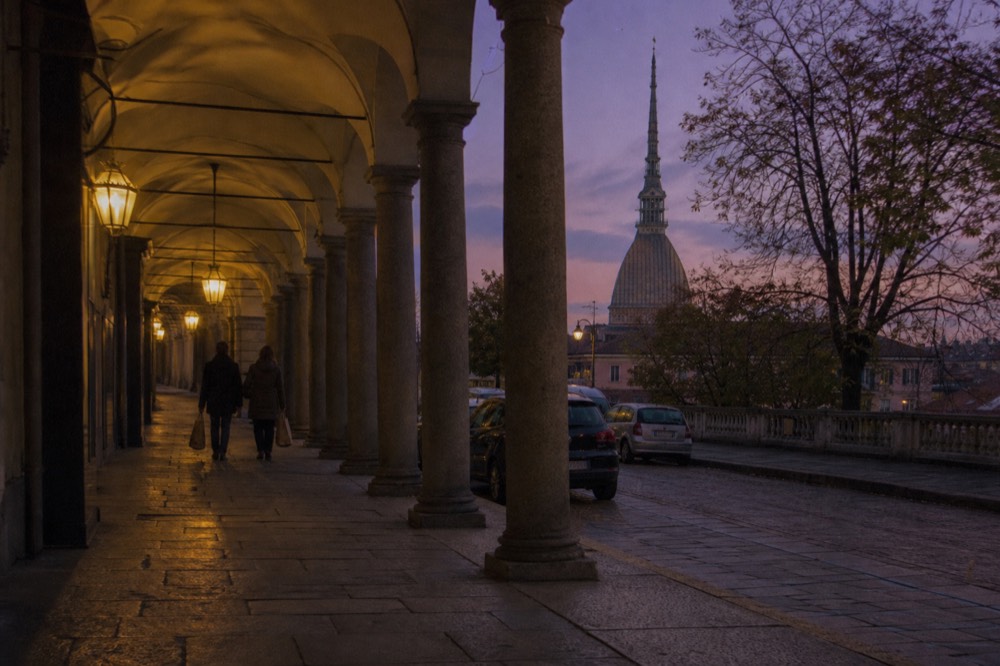
Budget for the city's tourist tax when you compare room prices. Turin's imposta di soggiorno rose on 1 April 2026 to €3 per night at 1-2 star hotels, €3.50 at 3-star, €4.50 at 4-star and €5 at 5-star, with non-hotel accommodation at €3.80, per the Comune di Torino's own schedule. No rate changes were found for Alba, Barolo or Asti, so do not assume the wine villages match the capital.
If you do base in Turin and want a guided day in the hills rather than a self-planned ride, the city's own bike tours are strong and cheap: the e-bike city tour with the viewpoint is rated 4.9 across 371 reviews from $45 per person, and the classic highlights tour is rated 4.6 across 497 reviews from $35. They are city rides, not hill rides, but they show what a well-run guided format feels like before you spend $150 or more on a full wine-country day.
For planning the hill days themselves, our day tours from Turin guide works through the rail and road options in detail.
Is Asti A Workable Base?
Asti is a genuinely good base for value and for flat riding: it is a city of 73,604 with cheaper rooms than Alba, it sits on the main rail line, and the Tanaro valley route from Asti to Alba covers about 31 km with almost no climbing, making it the one place in the region where a nervous or beginner rider can link two wine towns on near-level ground.
That flat corridor is Asti's quiet trump card. The computed profile of the Alba to Asti valley route registers roughly 11 m of cumulative ascent over 31 km, and the comune elevations back it up: Alba's centre at 179 m, Asti's at 131 m, both towns bottoming out near the river. It is the only genuinely level link between two wine towns in a region that is otherwise all hills.
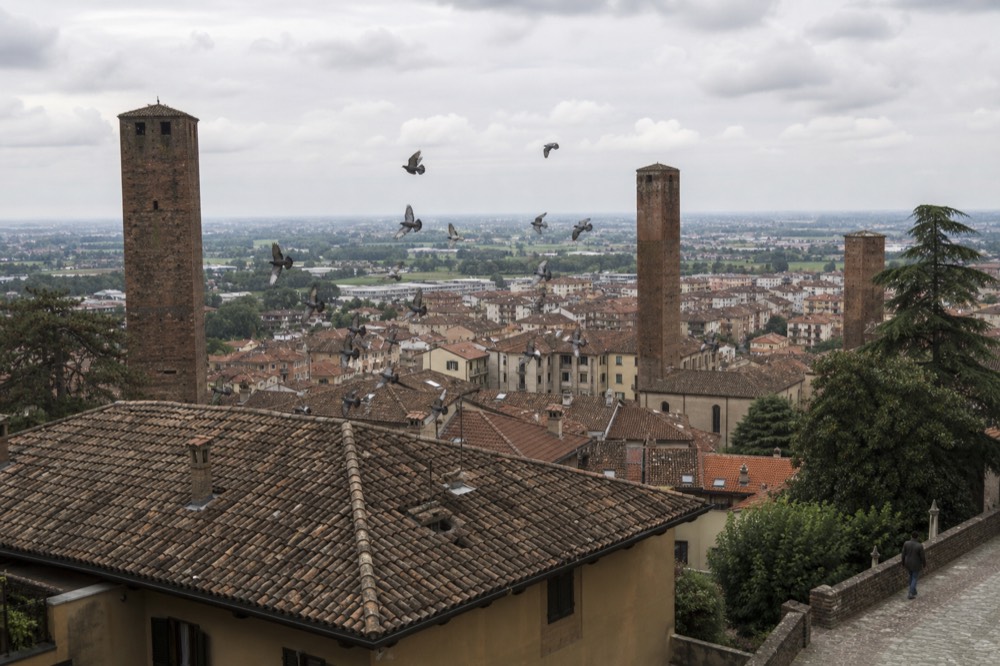
Asti also gives you Monferrato for free. The hills east and south of the city, around Costigliole d'Asti, Cisterna d'Asti and Nizza Monferrato, are the UNESCO-listed Barbera heartland, and they see a fraction of the Langhe's traffic. Several of the region's best-value e-bike tours run from villages in this zone, from $46 per person for a four-hour hills-and-vineyards ride out of Cisterna d'Asti. The Langhe is a 30 km valley ride away, so an Asti base does not cut you off from Barolo; it just makes you earn it.
The one thing Asti lacks is the Langhe's evening scene. It is a real provincial city, not a tourist village, so trade the postcard streets for lower prices and easier trains. Douja d'Or, the city's wine festival, runs in Piazza San Secondo in September, and the Palio di Asti fills the squares in the same month, so an early-autumn stay gets you city events the villages cannot match.
Can You Stay In The Langhe Without A Car?
Yes, if you base in Alba or Asti and ride or take tours from there: both towns have working train links and e-bike rental, a compliant pedal-assist bike needs no licence or insurance in Italy, and guided tours collect from central points, so a car-free week is entirely practical; it is much harder from the hill villages themselves, where buses are thin and there is no station.
The train side is solid. Turin connects to Alba directly, Milan requires one change, typically at Turin, and the Alba-Asti line runs again since its September 2023 reopening. Bikes travel on Trenitalia Regionale trains for the €3.50 supplement on services marked with the bike pictogram, and folded folding bikes go free, per Trenitalia's own bike rules. One caution for the map: the Alba to Alessandria line remains suspended, so do not plan a rail loop that way.
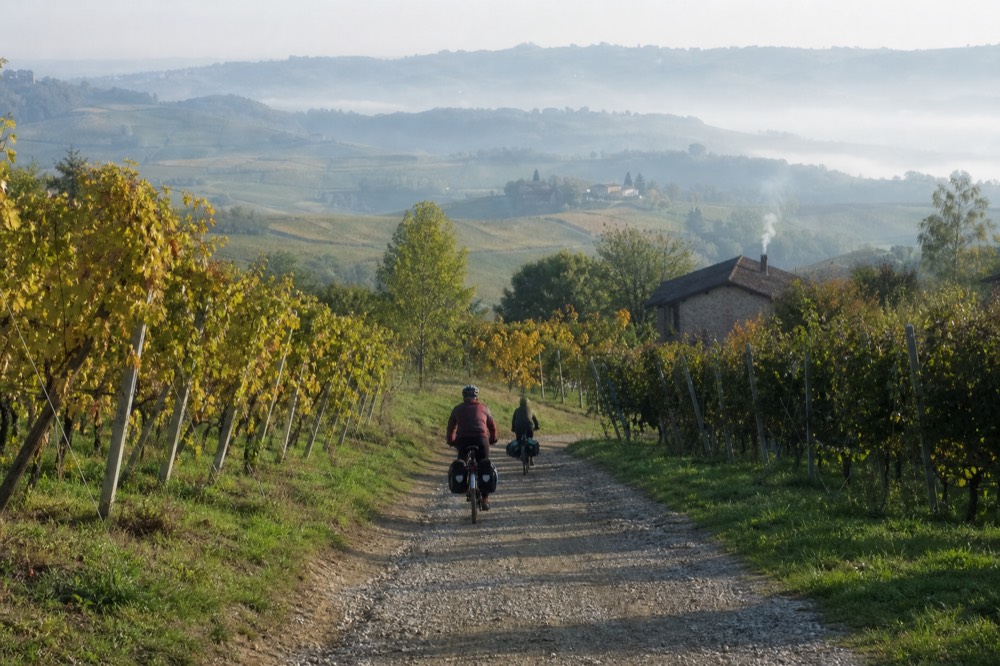
The riding side needs honesty about what does not exist yet. A 32.5 km cycle route between Alba and Canelli, the Ciclovia delle Colline Unesco, is funded with a €10 million regional grant, but it is not built: the Comune di Alba's project announcement sets works for assignment, not a rideable path. Today's car-free Langhe is ridden on quiet country roads, which is exactly what the guided and self-guided formats are built for. Our self-guided bike tours in Italy guide covers route planning on those roads in depth.
To see what a car-free base actually puts within reach, the table below lists the road distances from Alba to the villages and towns a rider links on a normal day. These are routed distances over the real road network, so treat them as about-figures rather than published measurements.
| Route from Alba | Road distance |
|---|---|
| Grinzane Cavour | about 7.5 km |
| Neive | about 13.4 km |
| Barbaresco | about 13.5 km |
| Barolo | about 13.9 km |
| Serralunga d'Alba | about 15.5 km |
| La Morra | about 15.8 km |
| Monforte d'Alba | about 19.6 km |
| Asti | about 30 km |
| Mombarcaro (Alta Langa) | about 41 km |
What Does Accommodation Cost, And When Is It Busiest?
Expect the highest prices and the tightest availability from late September into November, when the white truffle fair runs from 10 October to 6 December 2026 and Alba's short-let demand peaks in October; May through August now carries half the year's stays, so summer books out earlier than it used to, while late autumn outside fair weekends and midwinter remain the value windows.
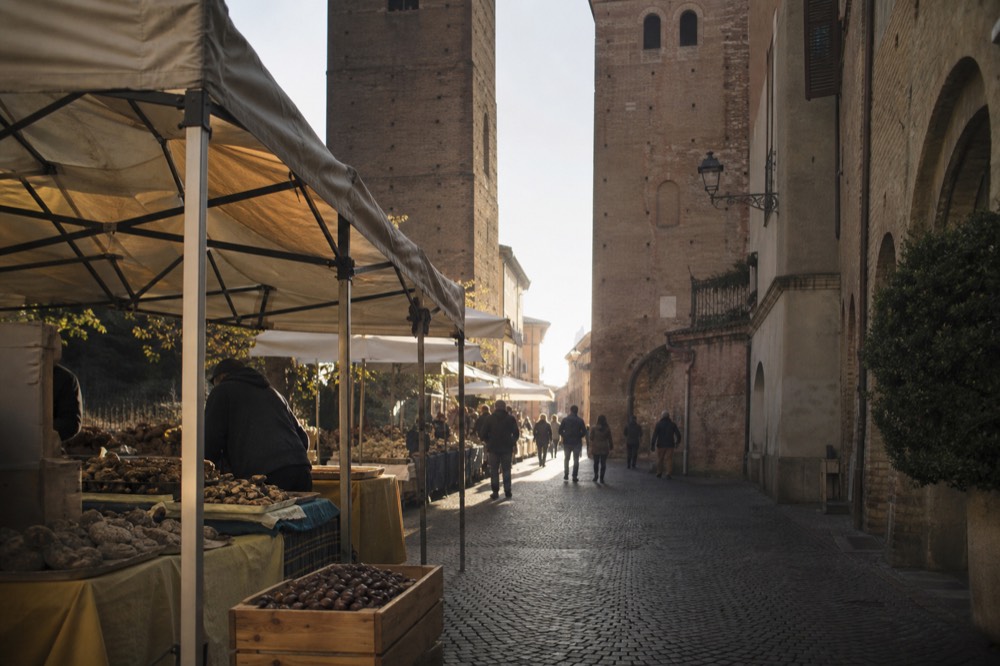
The 96th Fiera Internazionale del Tartufo Bianco d'Alba runs 10 October to 6 December 2026, with the world truffle market open Saturdays and Sundays only. That is the anchor of the autumn rush, and short-let analytics show Alba's occupancy peaking in October, ahead of even September. The fair is also a reason to come, not just a price problem: online market tickets cost €6 plus fees and include entry to the MUDET museum.
| Period | Demand | Notes for booking |
|---|---|---|
| May to August | High and rising | 50% of annual stays now fall in these months |
| September | High | Harvest season, Douja d'Or in Asti, Palio di Asti |
| October to early November | Peak | Truffle fair weekends book out first |
| Late November to February | Low | Wettest month is November; many village cellars quiet |
| March to April | Moderate | Spring greenery, fewer crowds, variable weather |
Costs follow the calendar more than the town category. Langhe wine tastings with a cellar visit are listed from around €25-50 per person, and a guided e-bike day runs from $52 for a rental-based format up to $208 for a full Langhe-and-Roero tour, so the accommodation line is only one part of the budget. Our cycling Piedmont on a budget guide works through the free and cheap side, including the free state-museum days and the festival tastings.
Which Area Should You Choose For Monferrato?
Choose Monferrato, the hills around Asti and Alessandria, if you want the same UNESCO vineyard landscape with a fraction of the Langhe's visitors: basing in Asti or Nizza Monferrato puts you among Barbera hills, infernot cellars and hazelnut country, with guided e-bike days from $46 per person and a slower, more local rhythm than the Barolo circuit.
Monferrato is the region's quiet half, and the numbers prove it. While the Langhe recorded 761,274 arrivals in 2025, up 9.6%, most of that pressure lands on the Barolo villages; the Monferrato components of the UNESCO site, Nizza Monferrato and the Infernot country, see far less. An infernot is a hand-dug underground cellar carved into the local stone, unique to this zone, and visiting one is the area's signature experience.
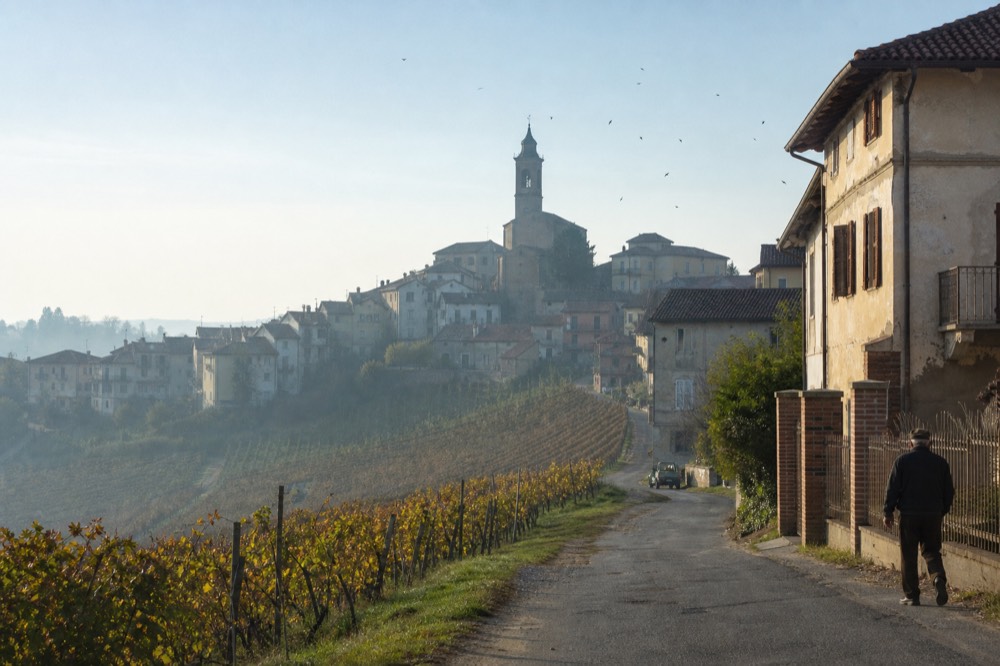
For a cyclist, the case is the riding. The Monferrato Scenic Bike Tour with the infernot cellar visit runs four to seven hours from $75 per person, and it pairs the rolling hills with the one thing you cannot see anywhere else. If you want a harder day, the Nizza Monferrato mountain bike tour covers about five hours from $250, and the CicloDiVino food-tasting ride out of Ovada runs about four hours from $93. Basing in Asti puts all three within reach; basing in the Langhe does not.
The trade-off is wine fame. Monferrato is Barbera and Moscato country, not Nebbiolo country, so if your trip is built around Barolo and Barbaresco cellar doors, the Langhe side of the Tanaro is still where you should sleep. Our Monferrato and Roero cycling guide covers the quieter half of the region in full.
Where Should You Stay If You Want Real Quiet?
Stay in the Alta Langa or the deep Monferrato, places like Bossolasco, Murazzano or Mombarcaro above 700 m, or the villages east of Asti, if silence matters more than cellar-door density: these are the highest and least-visited corners of the region, but they demand climbing legs or a car, since the Alta Langa gains roughly 1,040 m of height over the 41 km from Alba to Mombarcaro.
That Alta Langa figure is the region's real physical boundary. The wine villages roll between roughly 200 and 500 m; the Alta Langa behind them stands at mountain scale, with Mombarcaro's territory topping out at 896 m, the highest ground in the surveyed Langhe. A rider based up there gets silence, hazelnut woods and long descents, but every errand is a climb home.
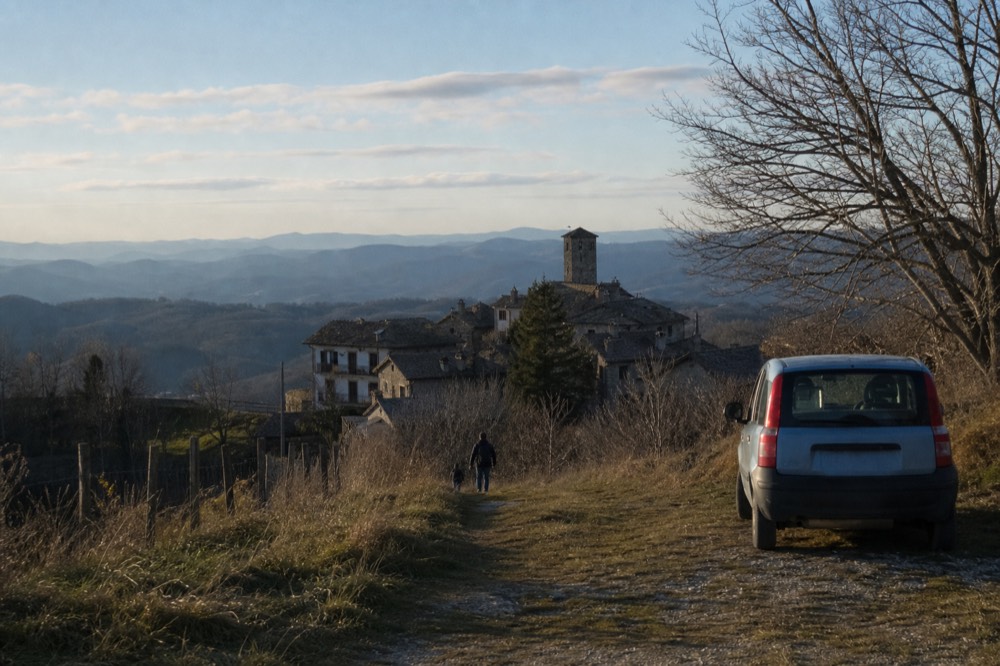
The middle path is Roero, north of the Tanaro. Canale sits at 201 m, its sandier hills cut by the Rocche erosion cliffs, and it carries a Bandiera Arancione alongside Cella Monte's, awarded in October 2025. Roero gives you quiet roads and the Arneis white, with Alba and its trains 14 km away, which is why many riders end up sleeping in Roero and riding into the Langhe each morning.
Whichever corner you choose, book guided days before you book the room if you are travelling in the fair weeks: the good tours and the good rooms fill on the same October weekends, and the tours are the easier thing to cancel. Every button on this site reads "Check availability" for exactly that reason, you confirm the live price and the free-cancellation terms on the operator's listing at the moment you book.
The base decision comes down to three questions: do you arrive by train, how much climbing do you want each morning, and does the city matter to you at all? Answer those and the table above does the rest, with Alba as the default, Asti for value and flat ground, and the villages for scenery with a car or a collecting tour.
Common Questions About Where To Stay In Piedmont Italy
Is it better to stay in Alba or Barolo?
Stay in Alba if you arrive by train or want restaurants, rental bikes and flexible day rides; Alba is about 14 km from Barolo with roughly 120 m of climbing one way. Stay in Barolo, a village of 613 people, if you have a car or a collecting tour and want to wake inside the vineyard landscape. Many travellers split the difference: nights in Alba for access, one or two in a village for the view.
Can you visit Piedmont's wine country without a car?
Yes, from Alba or Asti. Direct trains serve Alba from Turin, the Alba-Asti line runs again, bikes travel on regional trains for a €3.50 supplement, and e-bike rental operates in Alba and the Barolo zone. Guided tours also collect from central points. The hill villages themselves are the hard part without a vehicle, so base in a town and ride out.
Is Turin too far from the Langhe for a base?
It depends on the trip. Turin is about 71 km and roughly an hour and a half by train from Alba, so a hill day costs half a day of travel. It suits a stay that pairs the city, the Egizio Museum and the food scene, with two or three train-and-bike days south. A riding-focused week belongs in Alba, Asti or a village.
When is the most expensive time to stay in Alba?
October, around the white truffle fair, which runs 10 October to 6 December 2026 with the market open at weekends. Short-let demand in Alba peaks in October, ahead of September. Summer has grown sharply too, with May to August now carrying half the annual stays, so book early for any month from May onward.
Is Asti cheaper than Alba for accommodation?
Generally yes, as a rule of a provincial city against a small tourist town at peak demand, though no verified room-price survey exists for either and rates swing hard around the fair and festival weekends. Asti also carries no published tourist-tax change, unlike Turin, whose rates rose in April 2026.
Which part of Piedmont has the quietest roads for cycling?
Monferrato east and south of Asti, and the Alta Langa above 700 m. Both sit inside the UNESCO vineyard landscape but see a fraction of the Barolo circuit's traffic. The trade is services: fewer cellars, fewer buses, and in the Alta Langa roughly 1,040 m of climbing on the way home from Alba.